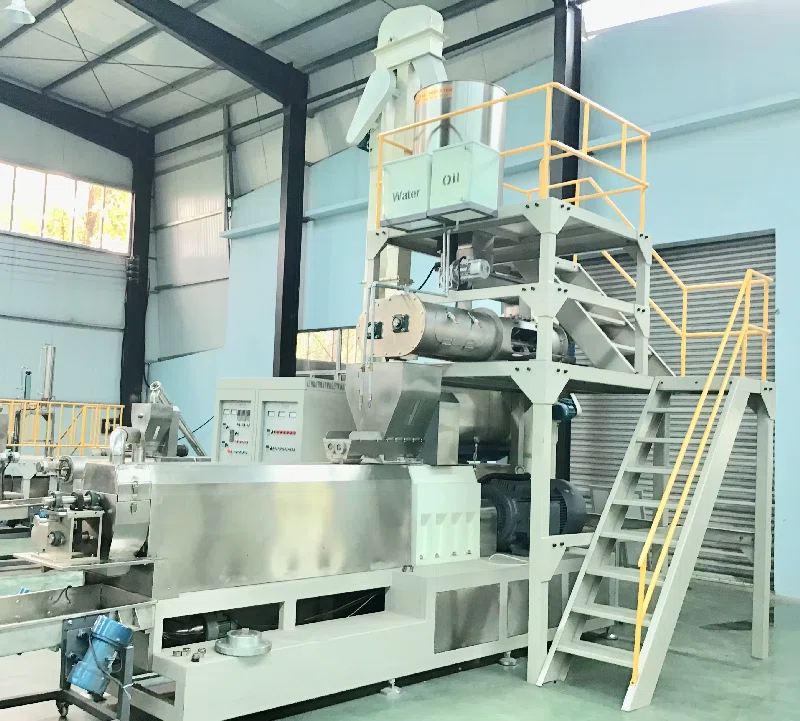
Formula
Starch, protein, fat and other ingredients affect cooking and expansion.
Develop the required pellet dimensions and buoyancy target through coordinated formula, extrusion and drying—not through a mold-only promise.
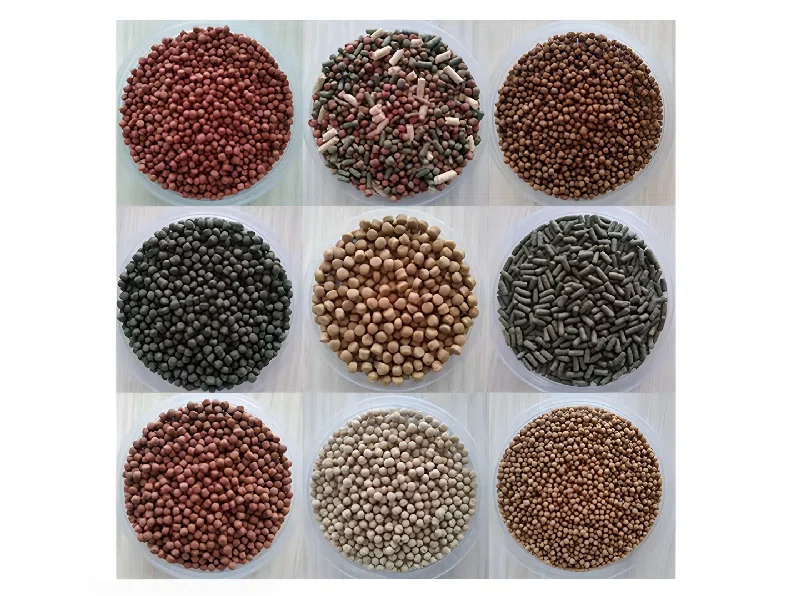
A useful inquiry connects the physical pellet to the species and feeding stage.
The die sizes the pellet, while expansion and density use the whole process.
Starch, protein, fat and other ingredients affect cooking and expansion.
Moisture and feeding consistency influence material behavior before and inside the extruder.
Temperature, pressure, screw configuration and operating parameters affect density.
Moisture removal and final cooling influence storage and physical performance.
Exact floating time cannot be promised before formula, pellet size and trial conditions are confirmed.
Grinding scope depends on the incoming raw-material condition.
The reference fish feed range is 120–5000 kg/h and retains seven models, including ZH139 from the Catalog.