Two suppliers can answer the same “fish feed plant cost” request with very different numbers and both may believe they answered correctly. One may quote an extruder and dryer. The other may include grinding, mixing, conveying, extrusion, cutting, drying, cooling, optional coating and packing. Until the equipment boundary and feed target are identical, the total prices say little about value.
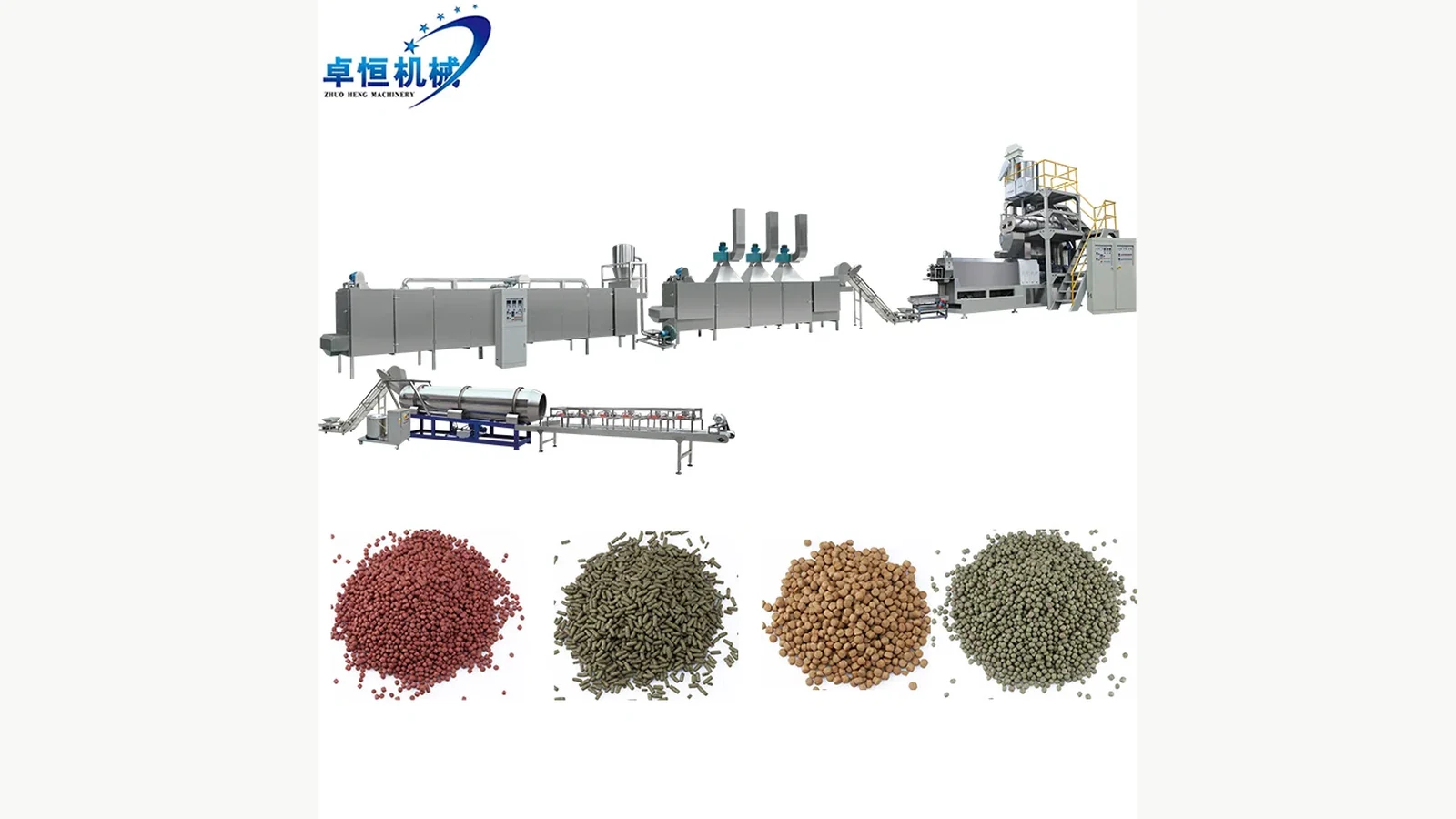
A useful budget starts with the feed, then the output, then the complete process. It also separates factory equipment from utilities, building work, logistics and local installation responsibilities. This article does not publish a universal price; it shows how to prepare a quotation that suppliers can price on the same basis.
Define the Aquatic Feed Before Pricing the Plant
“Fish feed” is still too broad for equipment selection. The project brief should identify:
- fish species and growth stage;
- floating or sinking behavior;
- target pellet diameter, length and acceptable size range;
- raw materials, grinding condition and whether a formula is already available;
- required oil or liquid addition, if any;
- hourly output, daily shifts and operating days;
- whether the product is for one farm or commercial feed sale;
- packing size and required automation.
Floating and sinking pellets can share parts of the production backbone, but formula, density, extrusion conditions and drying targets must be reviewed for the requested behavior. A product photo does not prove floating duration, water stability or nutritional performance. Define the buyer's test method and keep performance approval tied to the agreed formula and trial.
The exact fish feed production line scope is the correct starting page for this project. Pet-food equipment belongs to a separate product entity; poultry, livestock, shrimp and crab feed should not be added to the quotation unless the supplier confirms that scope independently.
The Equipment Boundary Is the Largest Price Variable
A complete line may include several stages, but each stage should be listed as included, optional or buyer-supplied.
Raw-material preparation and grinding
Incoming materials may require storage, weighing, crushing or fine grinding before mixing. The formula and incoming particle size determine what preparation is needed. A quotation that starts at an already prepared powder has a different boundary from one that begins with bulk raw materials.
Mixing and controlled feeding
The mixer, transfer method, buffer storage and feeding arrangement affect line continuity. Confirm batch size, mixing sequence and how material reaches the extruder. Adding silos, conveyors or automatic dosing changes both equipment and control scope.
Extrusion, die and cutting
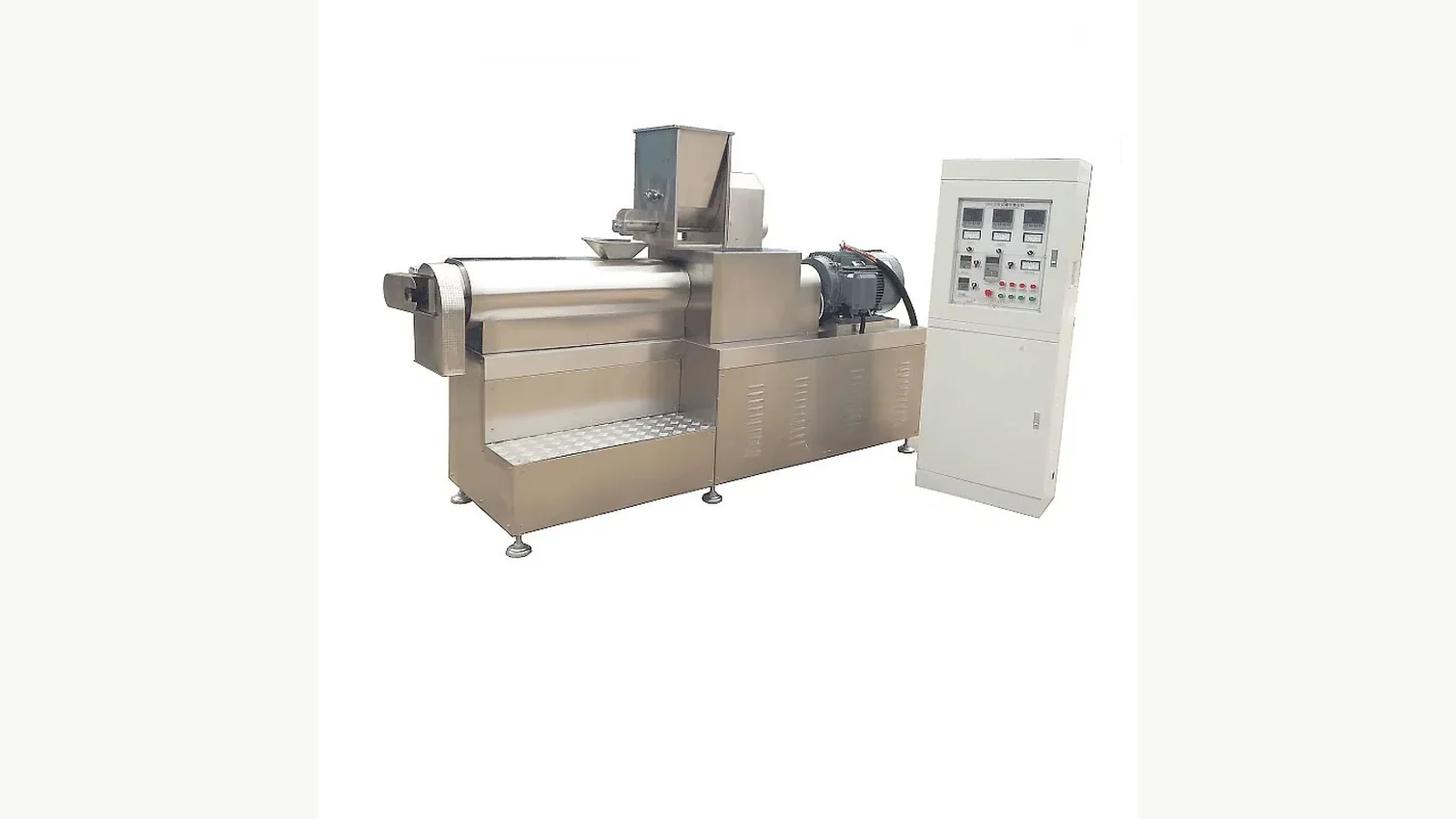
The extruder processes the mixed material and forms it through a selected die. Pellet size and length require die and cutter coordination. One quoted die does not represent a complete commercial shape range, so record the included molds and the process for ordering more.
Drying, cooling and optional coating
Wet pellets leaving the extrusion section need downstream stabilization. Dryer selection depends on output, pellet size, formula, moisture condition and heat source. Cooling protects handling before storage or packing. Oil spraying or coating is optional and should be priced only when the target feed requires it.
Packing interface
Clarify whether the quotation ends at a cooling conveyor, includes manual bagging assistance or contains automatic weighing and sealing equipment. Also record bag sizes, local labeling needs and whether metal detection or other inspection equipment is within the supplier's confirmed offer.
Capacity Changes the Whole Line, Not Only the Extruder
The confirmed fish-feed reference union includes ZH65, ZH70, ZH85, ZH95, ZH115, ZH135 and ZH139, covering approximately 120 kg/h to 5 t/h. These are planning references, not guaranteed output for every formula and pellet.
Larger output normally changes more than the extruder. It can alter material handling, mixer volume, dryer size, cooling, coating, conveyors, controls, packing and building layout. Use the site's fish-feed model and capacity references to establish a starting range, then require the proposal to state the product and conditions behind the selected output.
Calculate output from saleable feed demand and productive hours—not simply the number of hours the factory door is open. Cleaning, changeover, warm-up, sampling and maintenance reduce productive time. Oversizing one machine while leaving the dryer or packing section unchanged creates a bottleneck rather than useful reserve capacity.
Factory Conditions Can Move Cost Outside the Equipment List
The supplier needs enough site information to separate machine cost from buyer-side project work:
| Project field | Why it changes the budget |
|---|---|
| Voltage and frequency | Motors, controls and electrical components must suit the destination supply |
| Heating source | Dryer configuration and site utility work depend on the selected source |
| Building dimensions | Equipment arrangement, conveyor lengths and access can change |
| Floor and foundation | Support, drainage and installation conditions belong in the site plan |
| Water, air and ventilation | Process and utility interfaces need defined connection points |
| Automation level | Manual transfer, centralized control and dosing require different hardware |
| Packing format | Bag size and labor plan determine the packing interface |
| Destination and delivery term | Packing, inland transport, sea freight and local charges depend on the agreed term |
Ask for a preliminary layout before freezing the order. The drawing should show major equipment, material flow, operator access, maintenance clearance and utility connection points. A compact equipment price can become expensive if the buyer later discovers that the line cannot fit the building or that conveyors and access platforms were omitted.
Normalize Supplier Quotations Before Comparing Totals
Create one comparison sheet and move every quotation into it:
- feed type and formula status;
- target pellet dimensions and floating/sinking requirement;
- rated output and stated test conditions;
- equipment list from raw-material inlet to finished bag;
- included dies, cutters and product-contact parts;
- dryer heat source and included heating equipment;
- coating, cooling and packing scope;
- control system, electrical standard and documentation;
- installation, commissioning, training and buyer responsibilities;
- packing, shipping term, quotation validity and excluded costs.
Record the model revision and date. If a supplier updates one stage, request a revised equipment list and total rather than comparing an old list with a new price. Optional items should have their own line so the buyer can remove or add them without losing track of the production boundary.
Pellet Samples Clarify What the Budget Must Achieve
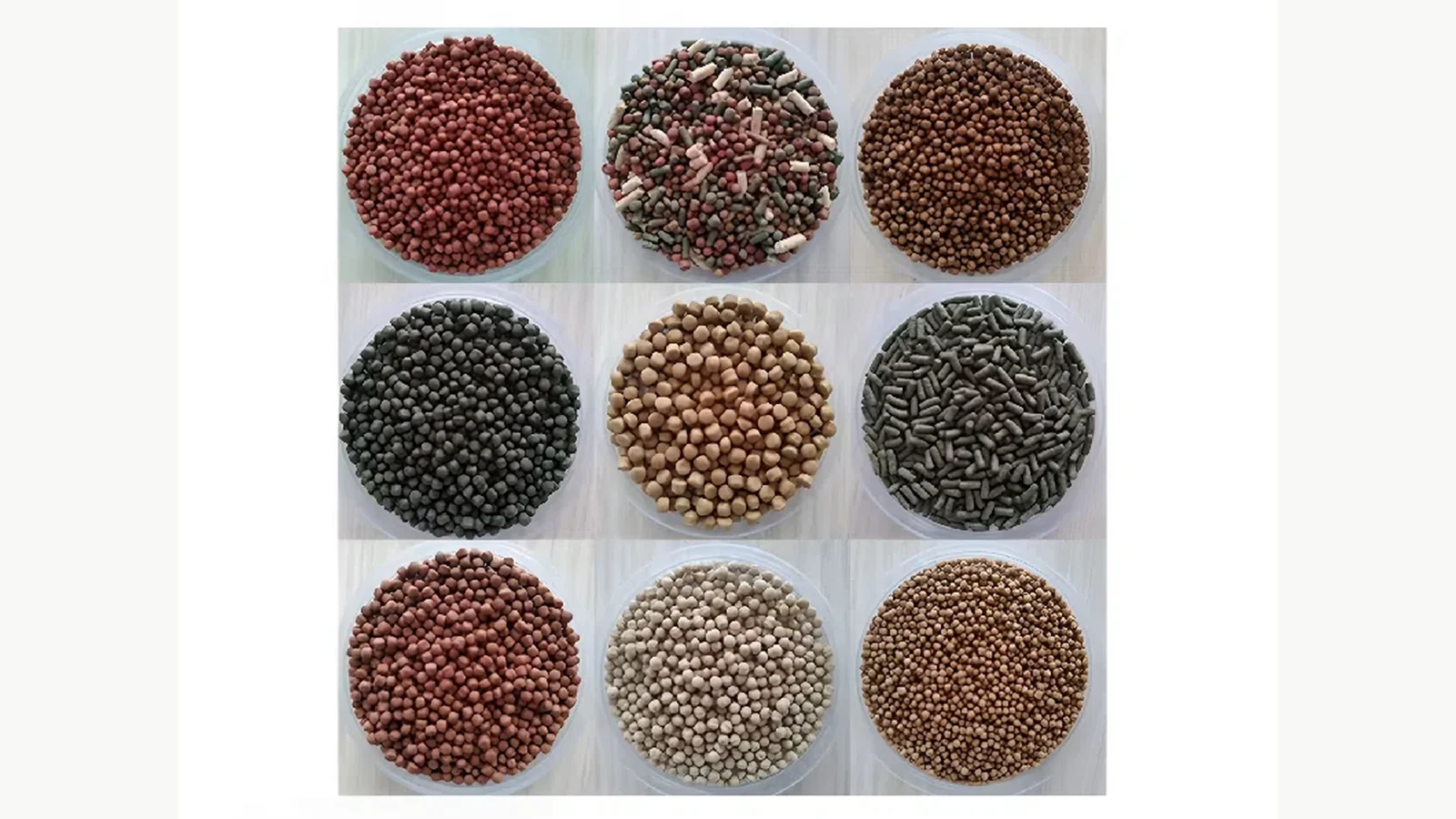
Samples help the engineer connect the quotation to a real product. Send several pellet sizes if the plant will serve different fish stages. State which sample is the approval target and whether the formula is available for a trial. The sample can guide die, cutter and drying discussions, but it cannot by itself establish raw-material behavior or a guaranteed floating result.
Ask how the supplier will record the trial: formula version, grinding condition, die, cutter setting, process conditions, drying result and finished sample. That record is more useful than an unsupported promise printed beside the price.
Request One Controlled Fish-Feed Configuration
Send the fish species, floating or sinking target, pellet dimensions, formula status, hourly output, shifts, voltage, heat source, building, packing scope and destination through the fish-feed quotation form. Ask Zhuoheng to return an equipment list that marks included, optional and buyer-supplied items.
That response gives you a defensible fish feed plant budget. It also makes later changes visible: when the product, output or factory boundary changes, the quotation revision should change with it.