A feed pellet mold or die change primarily changes the opening profile and basic pellet dimensions. The cutter works with that opening to establish length. It does not, by itself, guarantee expansion, density, floating or sinking behavior, nutrition or water stability. Those outcomes depend on the complete product and process case.
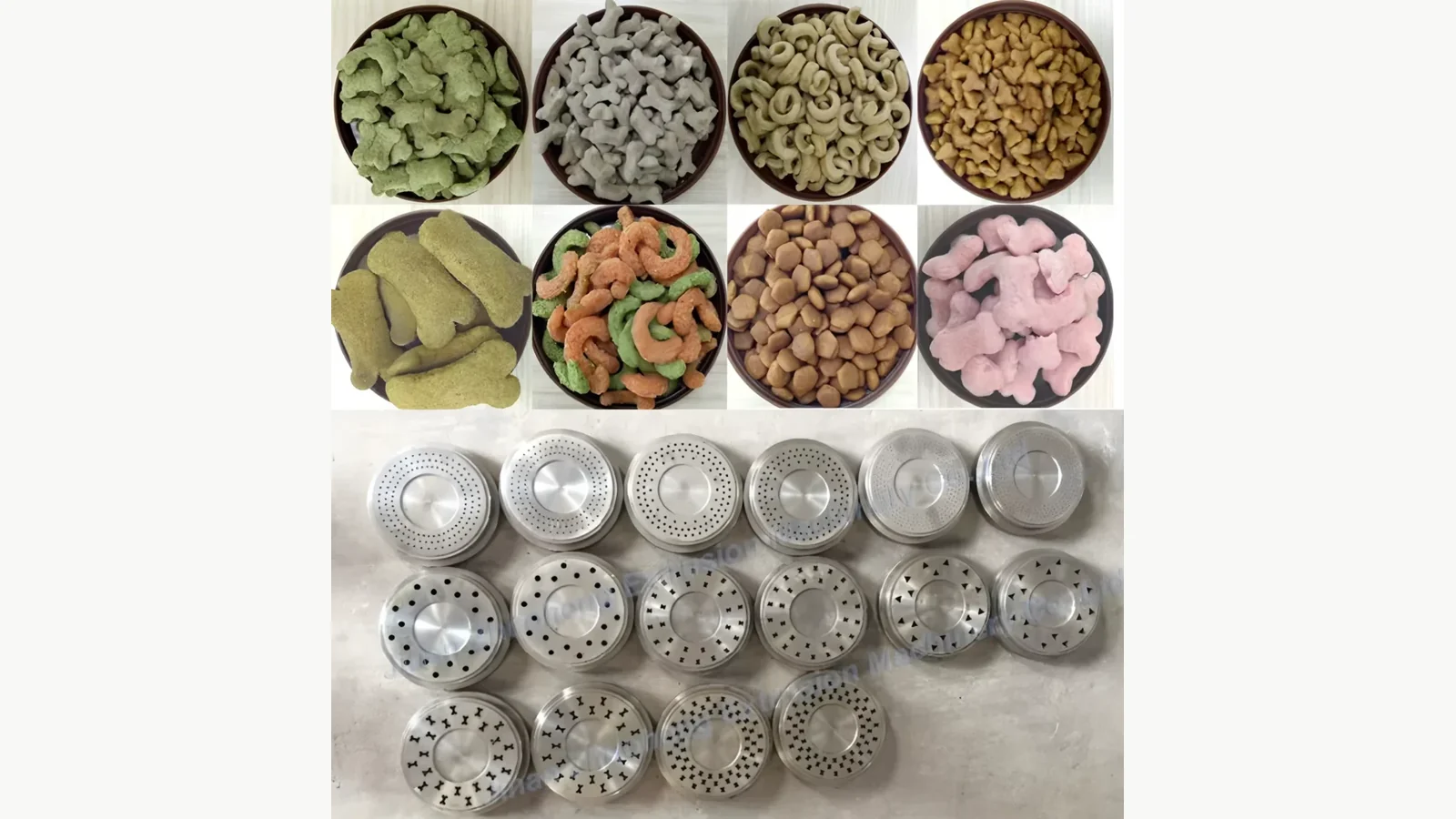
This guide covers confirmed dry pet food and fish feed extrusion projects. The exact mechanical procedure must follow the supplied equipment manual, training, lockout rules and site safety system. A general article cannot replace the model-specific operating procedure.
Define the Finished Pellet Before Selecting the Mold
Start with the animal or species, product type, cross-section, diameter or width, cut length and required behavior. “Small pellet” is not enough. A useful request might identify dry dog kibble with a reference profile, or fish feed with a stated diameter and floating or sinking target. Formula status and raw materials must accompany that visible requirement.
The molds and pellet shapes page shows why shape selection belongs inside the broader product definition. It should not be read as a promise that every profile fits every machine or that a die alone creates the final performance.
Use this division of responsibility:
| Input | Primary influence | What still needs confirmation |
|---|---|---|
| Die or mold opening | Cross-section and basic diameter or width | Machine match, tolerance and product feasibility |
| Cutter setup | Finished pellet length | Blade condition, clearance and operating speed |
| Formula and raw material | Material behavior and nutrition basis | Actual recipe ownership and processing response |
| Extrusion conditions | Expansion and density development | Product-specific settings and verification |
| Drying and cooling | Final moisture handling and stability | Time, loading, target and acceptance method |
Keep Pet Food and Fish Feed Briefs Separate
Pet kibble and aquatic feed can share equipment categories, but they are not one product brief. The pet food production line covers confirmed dry dog and cat food. The fish feed production line covers confirmed floating and sinking aquatic feed directions.
For pet food, record animal, life stage where relevant, shape, dimensions, formula status and coating requirement. For fish feed, record species, pellet diameter, floating or sinking requirement, raw materials, formula status and any coating discussion. Poultry or livestock feed and unconfirmed shrimp or crab feed should not be added to the request by assumption.
Prepare the Changeover Before the Shutdown
Good preparation prevents a short mechanical task from becoming an uncontrolled production delay. Confirm the next product order and identify the intended mold before stopping. Check that the part belongs to the installed machine and inspect contact and fastening areas according to the maintenance procedure.
Prepare approved tools, lifting support where required, cleaning materials and cutter components. Review the safety isolation points and assign trained personnel. The plan should also state how remaining product will be handled and how the first material after restart will be identified.
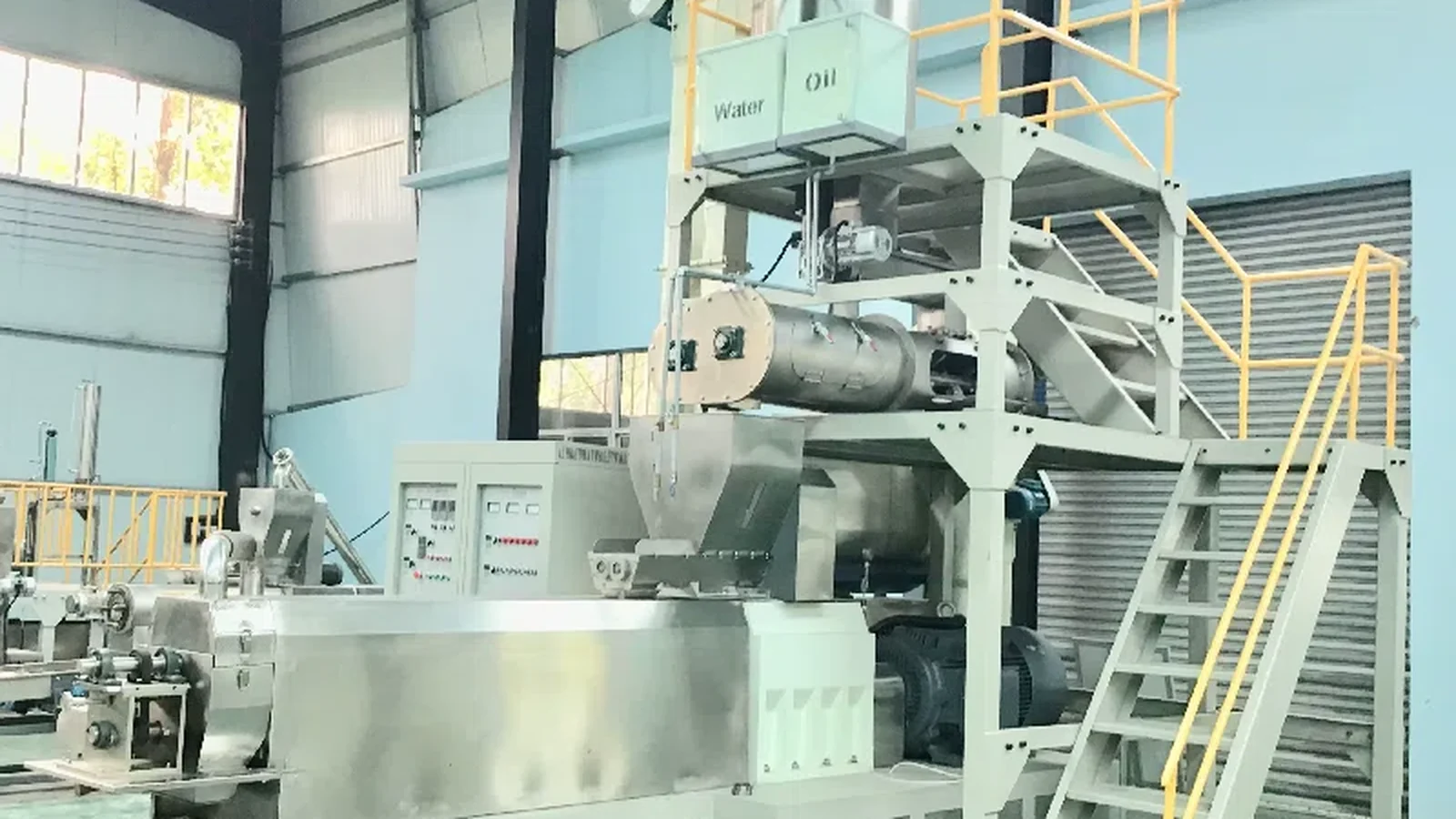
The feed extruder capacity guide explains why productive hours must allow for cleaning and changes. A factory with many low-volume SKUs may need more changeover time than a factory producing one main pellet for long runs.
Follow a Controlled, Model-Specific Sequence
The model-specific manual governs the work. A general planning sequence includes:
- complete the production run and manage remaining material as instructed;
- stop, isolate and verify safe conditions before accessing the die area;
- clean the product-contact and fastening surfaces;
- remove and store the previous mold without damaging identification or working faces;
- inspect and install the confirmed replacement using the specified method;
- review cutter clearance, blade condition and initial settings;
- restore guards and services before the controlled restart;
- segregate and inspect startup product until the process is stable.
Hot surfaces, pressure, rotating parts and heavy components may be present. Never bypass guards or isolation steps to save time. Site procedures, trained personnel and the actual equipment documentation take priority.
Verify More Than the Visible Shape
At restart, check profile, dimensions, cut length and obvious defects. Then apply the buyer's product-specific quality checks. Depending on the project, these may include moisture, bulk density, expansion, coating condition, floating or sinking behavior and water stability. The responsible technical team must define methods and acceptance limits.
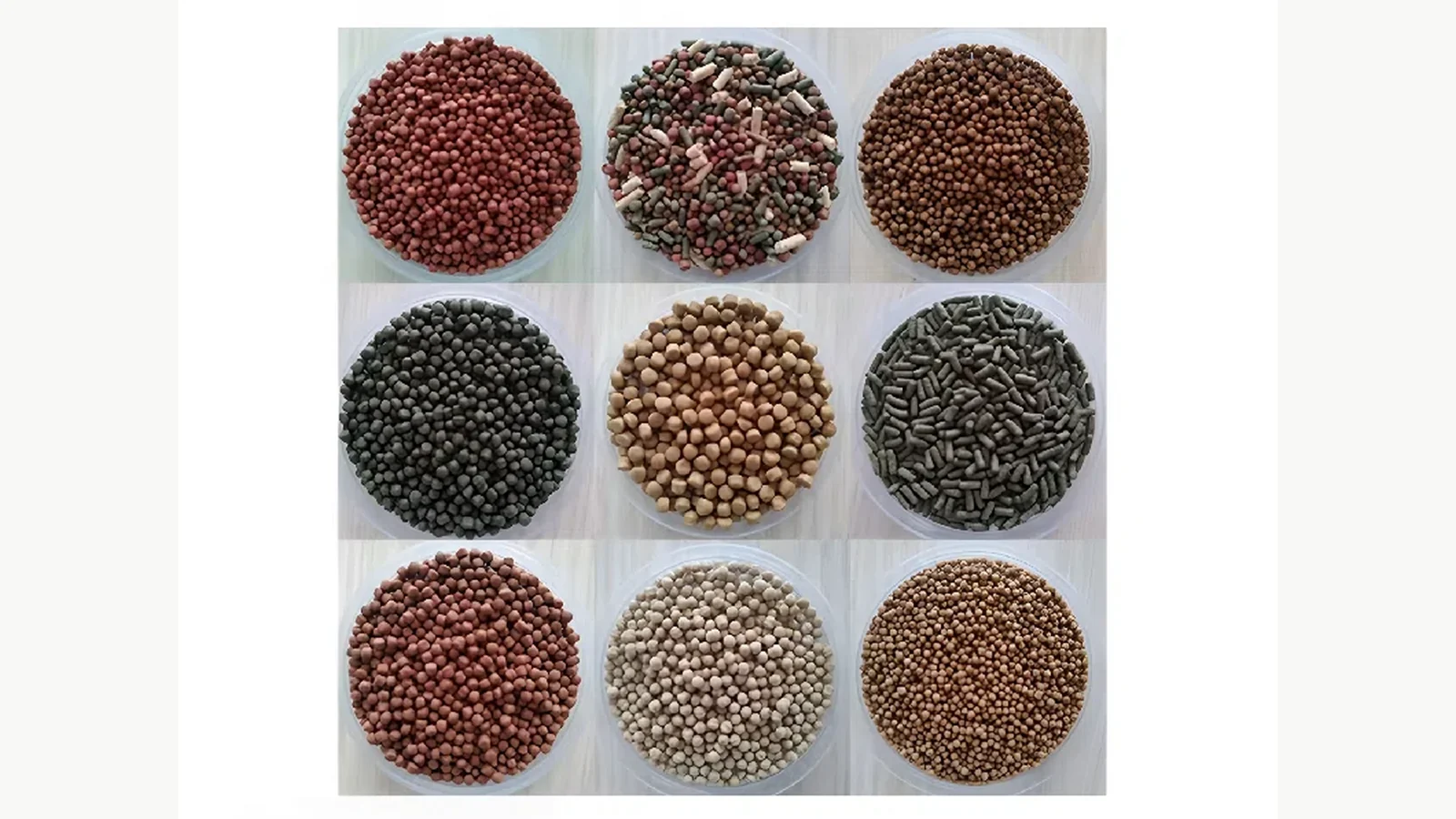
If the profile is correct but product behavior is not, avoid concluding that the die is defective before reviewing raw materials, grind size, mixing, water or steam addition, screw configuration, temperature, pressure, cutting, drying and cooling. A mold change can expose a process issue that was hidden by the previous product.
Record the Approved Setup
Create a changeover record for each repeat product. Record the machine, die identification, cutter components, formula reference, approved starting settings, verification results and any adjustment made after restart. Keep product and cleaning records according to the buyer's own quality system.
A photo of the finished pellet is useful, but it does not replace dimensional data or process evidence. Preserve the sample, drawing and record that were actually approved for the next order.
Mold Request Checklist for the RFQ
Send the supplier:
- installed extruder model and machine identification;
- dry pet food or confirmed fish feed product;
- species or animal and product use;
- clear sample, multi-angle photos or dimensioned drawing;
- diameter, width, wall or opening detail where applicable;
- required cut length and tolerances;
- floating, sinking, density or expansion target without assuming a guarantee;
- raw-material list and formula status;
- required hourly output and product-change schedule;
- current die or mold identification and images;
- destination, voltage and requested supply boundary.
The factory planning guide helps connect mold changes with staffing, layout and production scheduling. Submit the complete product matrix through the request-a-quote page so the die, cutter and process questions can be reviewed together.