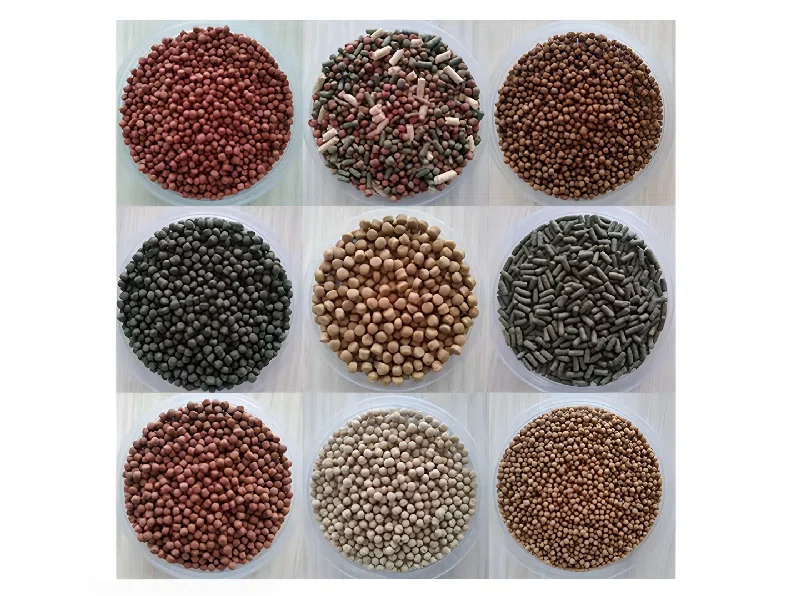
Feed Product
State whether the pellet is for dog food, cat food, floating fish feed, sinking feed or another feed application.
Use the appropriate mold and cutter setup to produce the pellet size and profile planned for your feed portfolio.
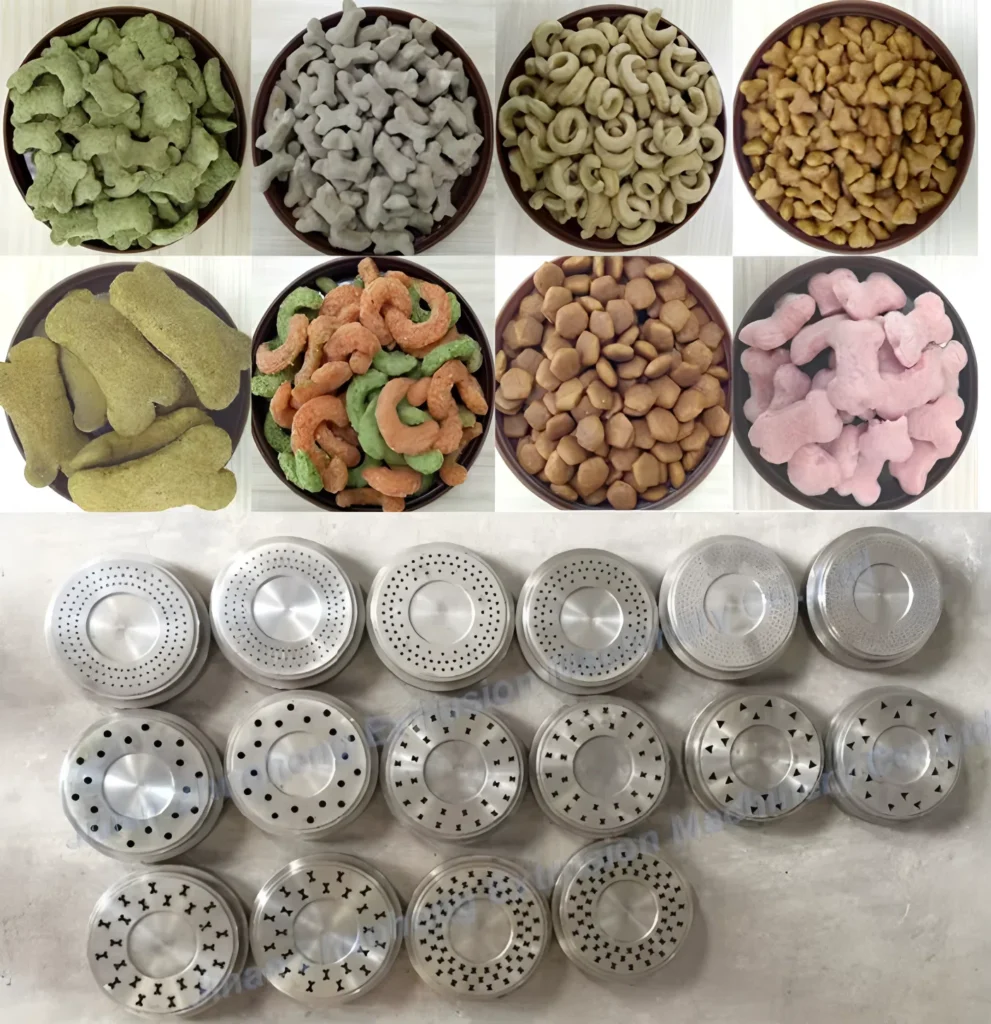
Material exits through the die opening and is cut to the required length. A different die can create a different cross-section or size without replacing the complete production line.
A reference sample, drawing or clear photo is useful when a standard description is not enough.
State whether the pellet is for dog food, cat food, floating fish feed, sinking feed or another feed application.
Round, ring, bone or another requested profile should be confirmed before die manufacturing.
Give the target dimension and acceptable range rather than relying only on a photo.
Specify the desired cut length or finished appearance for cutter selection and trial settings.
Floating, sinking, expansion, density and water stability targets affect more than the mold alone.
Send a physical sample, drawing or scaled image for special profiles and market-specific requirements.
The operating manual and training for the supplied machine control the exact procedure.
Follow shutdown, isolation and safety procedures before accessing the die area.
Remove remaining material and clean product-contact areas as required.
Remove the current mold and install the correct mold and cutting components.
Confirm cutter clearance, speed and relevant operating parameters.
Restart, inspect the first product and fine-tune until the specification is stable.
A mold changes the physical opening, but flotation, sinking, density, expansion, texture and water stability also depend on formula, moisture, cooking, temperature, screw configuration, drying and other settings.
Specify both the visible pellet dimensions and the performance target. Zhuoheng can then review the mold together with the process configuration.