Feed raw material preparation before extrusion is the point where a formula becomes a controlled material stream. A useful project brief identifies the ingredients, formula status, receiving form, preparation needs, mixing sequence and handoff to the extruder. If those inputs are vague, the upstream section can be underspecified even when the extruder model is clear.
This guide focuses on confirmed dry dog and cat food projects. Many planning principles also help frame an aquatic-feed discussion, but the two product families should keep separate formulas, product requirements and line reviews. Poultry feed, livestock feed and unconfirmed shrimp or crab feed are outside this article's equipment scope.
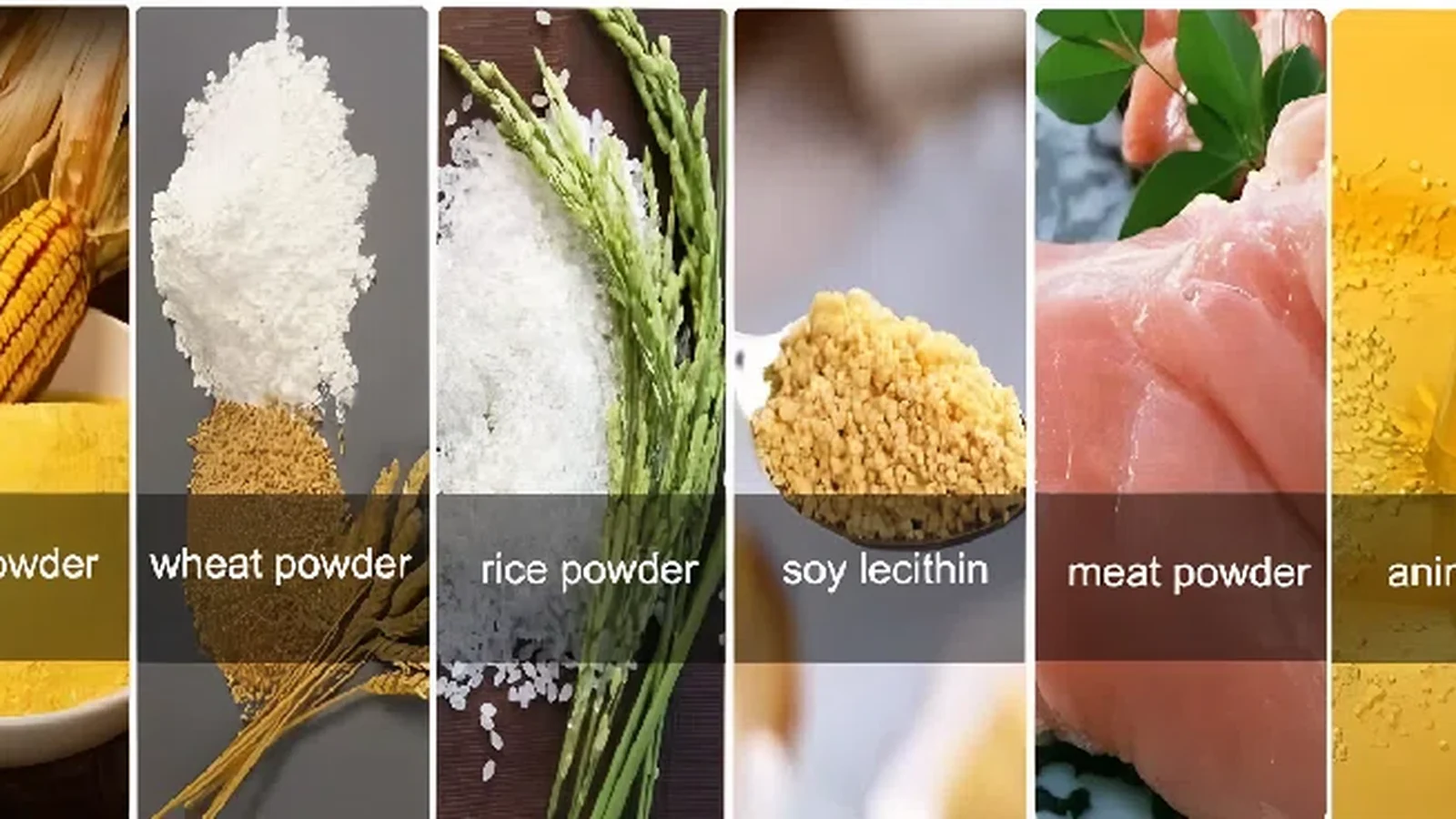
Describe Every Ingredient as It Arrives
Begin with a formula table rather than a general label such as “meat and grain mix.” For each ingredient, record its name, receiving form, packaging, storage condition, intended proportion basis and whether the specification is fixed or still under development. Note liquids and small additions separately because their handling may differ from bulk powders.
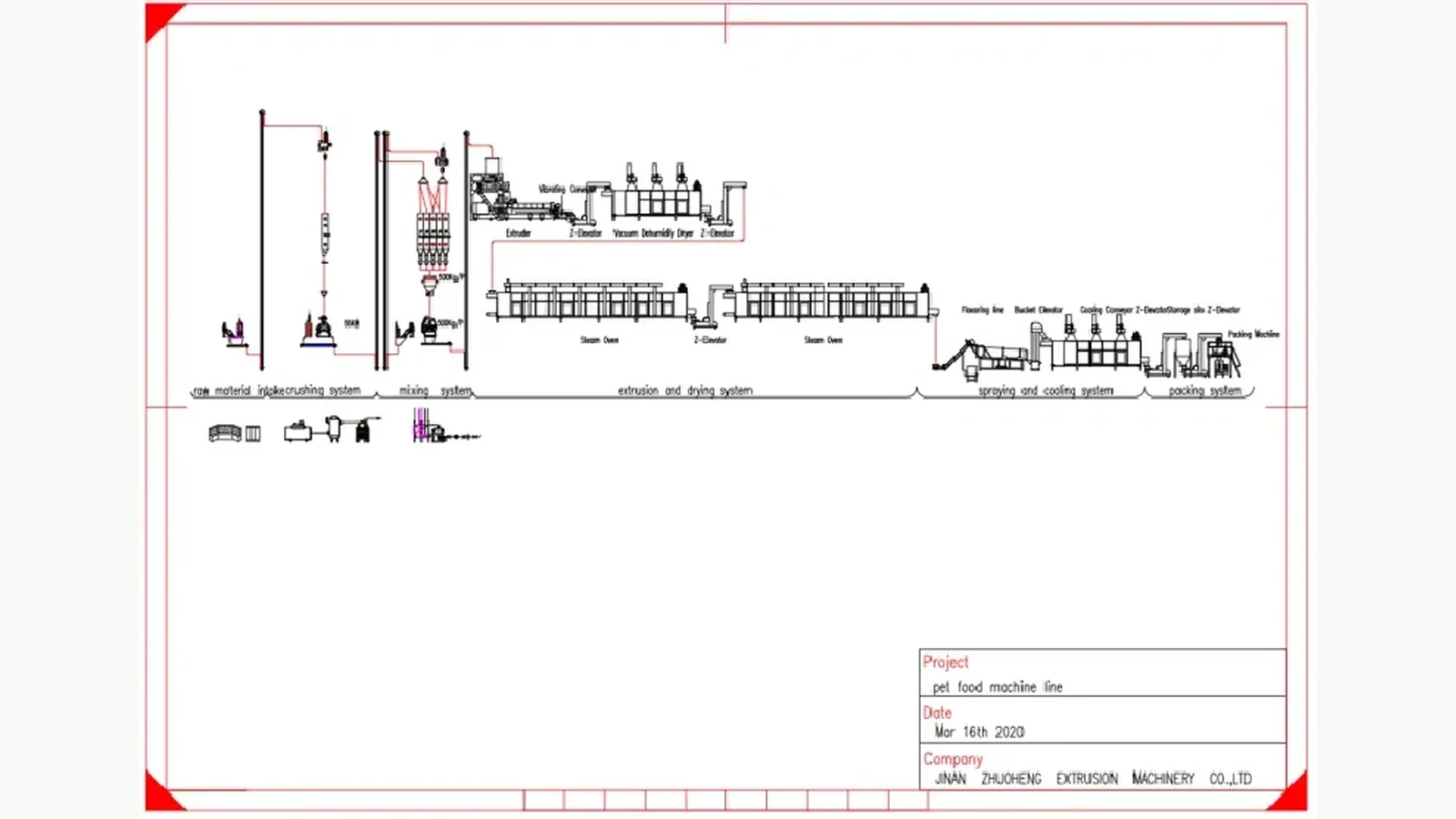
The pet food production line confirms a dry dog and cat food route that includes preparation and mixing, conveying, extrusion and cutting, drying, flavoring or oil coating, cooling and packing. It establishes the relevant product family. Exact preparation equipment and settings still depend on the actual materials and formula.
Ingredient names alone cannot establish grinding, dosing or mixing requirements. Corn meal received as a fine powder presents a different preparation question from whole or coarse material. A supplier needs the real receiving state and target handoff condition, supported by samples or specifications where available.
Decide Which Materials Need Crushing
Crushing scope should come from the incoming material and the buyer's approved preparation target. List any ingredients that arrive as whole, coarse or variable particles. Record whether the buyer already has a mill or intends to include preparation equipment in the new line.
Avoid inserting a universal particle-size figure into the RFQ. The suitable target depends on the formula, product and process review. Instead, ask the technical teams to agree on a sampling method and the information needed to confirm the selected crushing stage.
A clear scope statement can say:
| Preparation question | Buyer evidence | Quotation response needed |
|---|---|---|
| Receiving form | Photos, supplier specification and sample | Whether crushing is required in the quoted scope |
| Material range | Ingredient list and expected variation | Equipment and handling assumptions |
| Existing equipment | Model, discharge and control details | New supply boundary and interface |
| Prepared material | Buyer or technical-team target | Confirmation method for the project |
| Dust and sanitation | Site rules and cleaning program | Required review items and responsibilities |
This turns “include a crusher” into a defined engineering question without promising an unsupported result.
Write the Mixing Sequence, Not Just the Recipe Total
Mixing connects ingredient dosing to stable feeding. Record the batch basis, ingredient groups, addition sequence, liquids or minor ingredients, expected number of formulas and changeover plan. If the recipe belongs to the buyer or its nutrition team, preserve that ownership while supplying enough process information for equipment review.
The mixer also needs an upstream and downstream boundary. State how ingredients reach it, how prepared material is discharged, whether intermediate holding is expected and how the stream reaches extrusion. The existing factory planning guide for extruded pet food and fish feed shows why preparation, extrusion, drying and finishing should be balanced as one route.
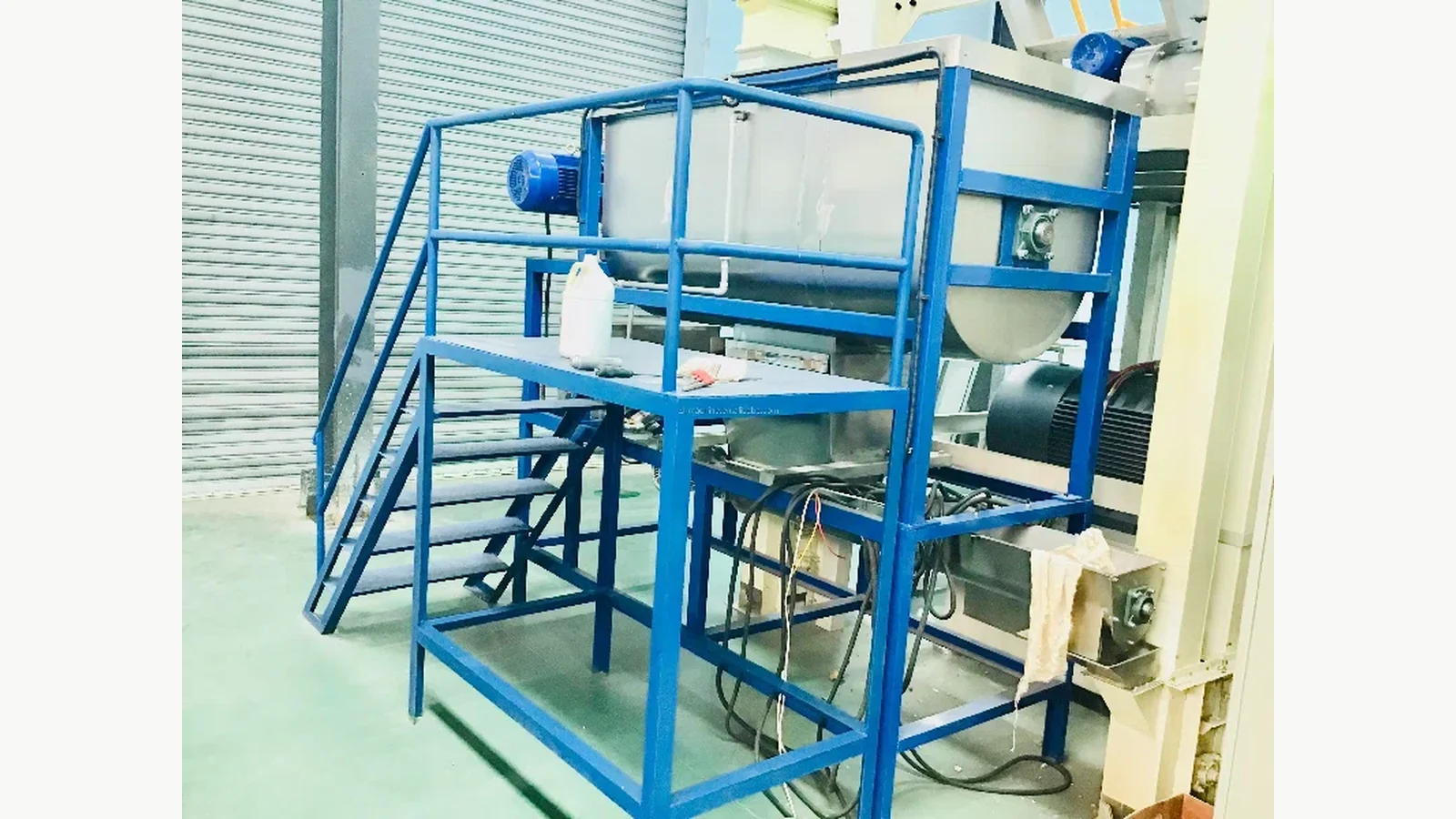
Formula confidentiality is compatible with good project control. The buyer can identify material classes, handling conditions and a representative trial formula under an agreed information process. What matters is that the quoted equipment is tied to real inputs rather than invented assumptions.
Control the Handoff to the Extruder
The extruder should receive a material stream that matches the reviewed process basis. Record the mixer discharge, transfer method, holding step, feeding arrangement and the point at which any water or other approved process input is introduced. Identify which controls belong to the preparation section and which belong to the extruder section.
Flow balance matters. A nominal extruder rating does not prove that crushing, mixing, conveying and feeding can support the same finished-product output under every formula. Daily demand, batch size, planned operating time, product changes and cleaning periods should be included in the capacity review.
Use a line-interface schedule that names:
- source and destination of each transfer;
- material condition at both ends;
- expected flow or batch basis;
- elevation and available footprint;
- controls and interlocks to be reviewed;
- cleaning access and segregation responsibility;
- items supplied by the buyer or another vendor.
Keep Pet Food and Fish Feed Briefs Separate
The fish feed production line is a verified but different product family, covering floating or sinking fish-feed projects. Floating or sinking behavior depends on formula, process and configuration. A pet food preparation brief should not silently become proof for an aquatic-feed result.
If one factory plans both families, create separate product matrices and trial records. Identify shared equipment only after material compatibility, cleaning, contamination control and process requirements have been reviewed. The commercial proposal should show which scope is common, which is product-specific and which remains conditional.
Use Representative Trials to Close Open Questions
A preparation trial should use actual or representative ingredients where practical. Label the formula revision, receiving condition, preparation steps and test batch. Record observations at crushing, mixing, transfer and extruder feeding, then retain the sample and agreed record.
The acceptance method belongs in the plan before the trial. Depending on the project, the buyer's technical team may review prepared-material consistency, batch records, transfer behavior, feeding stability and the resulting product. One accepted trial remains tied to the tested materials, formula and settings.
RFQ Checklist for Raw Material Preparation
Send the supplier:
- dog or cat food product and target pellet description;
- complete ingredient list and formula-development status;
- receiving form, packaging and storage condition for each material;
- materials that may need crushing or screening;
- batch basis, addition sequence and minor-ingredient plan;
- liquid additions and their handling condition where applicable;
- transfer and feeding boundary before extrusion;
- required hourly demand, operating plan and product matrix;
- cleaning, segregation and changeover requirements;
- site layout, utilities, voltage, frequency, phase and destination;
- buyer-defined trial and acceptance record.
Submit that package through the request-a-quote page for a product-specific preparation and extrusion-line review. The response should separate confirmed equipment, buyer-supplied interfaces, options and open technical questions.