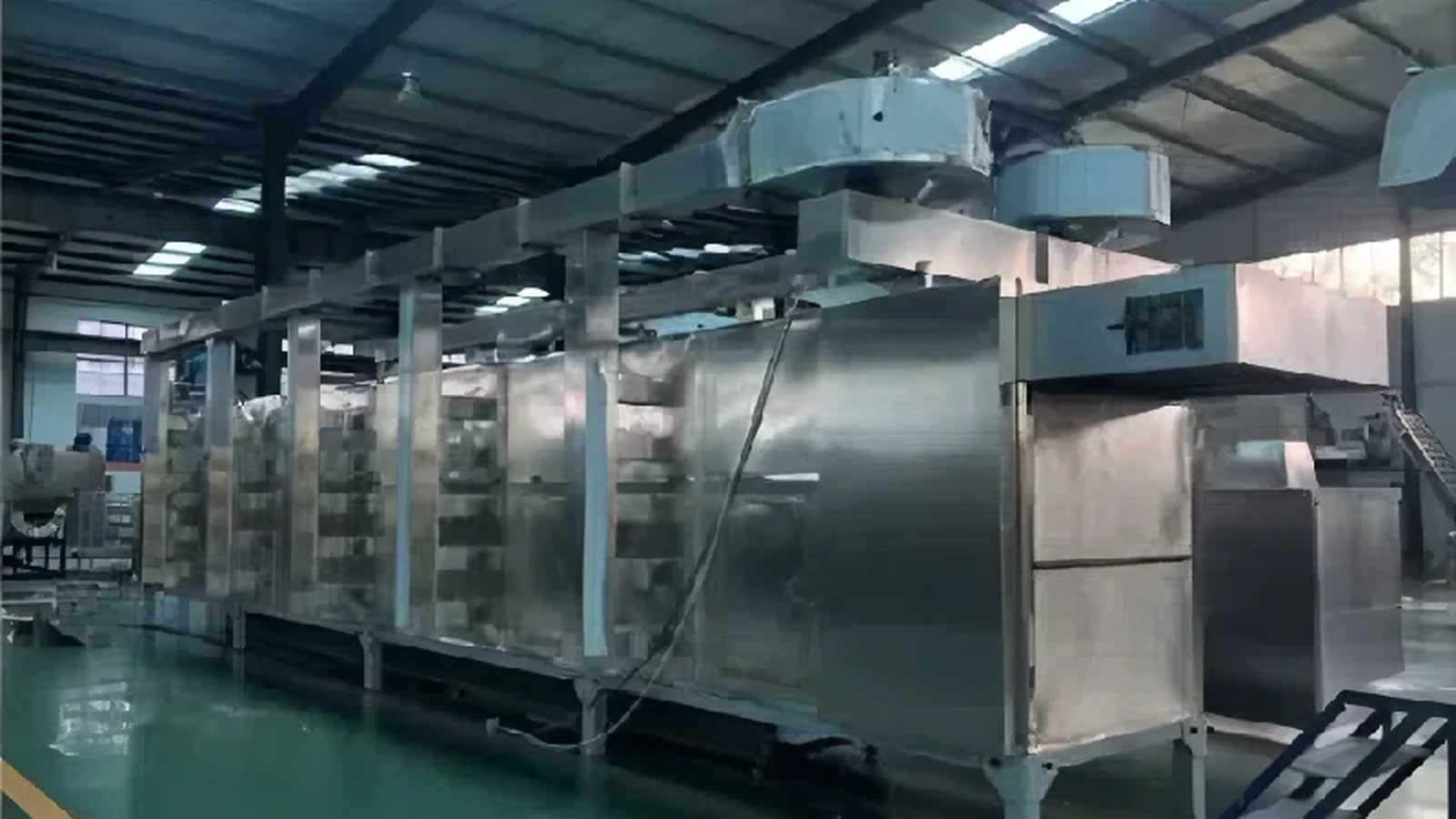
In an extruded fish feed line, drying and cooling connect a hot, recently cut pellet to downstream handling and packing. Buyers often ask for a drying temperature first, but that number has little meaning without the pellet formula, size, density target, incoming moisture condition, bed loading, residence-time basis, and cooling plan. Floating or sinking behavior also depends on formulation, extrusion conditions, and configuration, so a dryer alone cannot guarantee the result.
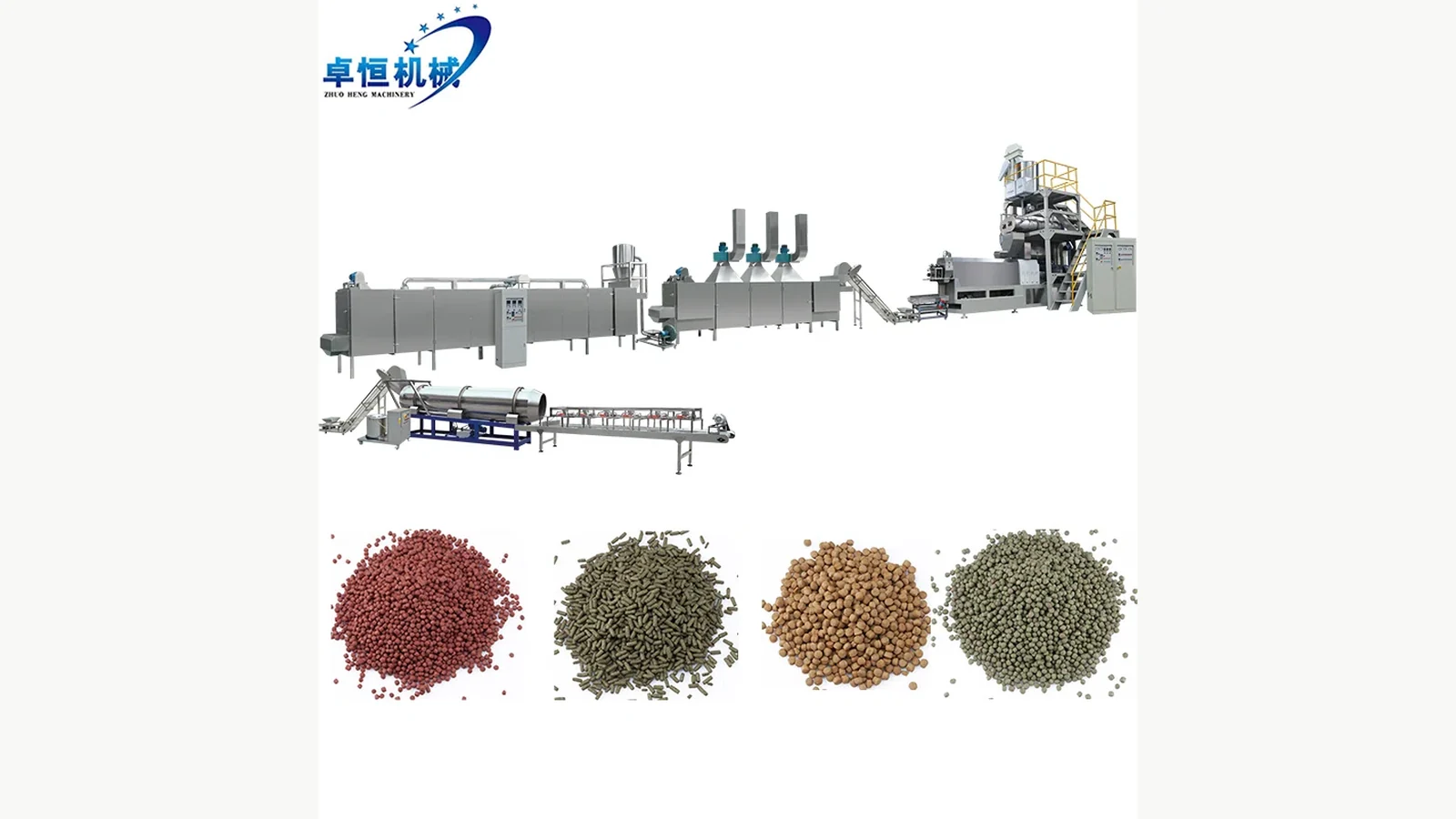
This buyer-side checklist defines what to record before a supplier reviews the drying and cooling section. It focuses on the confirmed fish-feed route of crushing and preparation, mixing, conveying, extrusion, cutting, drying, cooling, and packing, with optional oil spraying or coating when the project requires it.
Identify the pellet before discussing the dryer
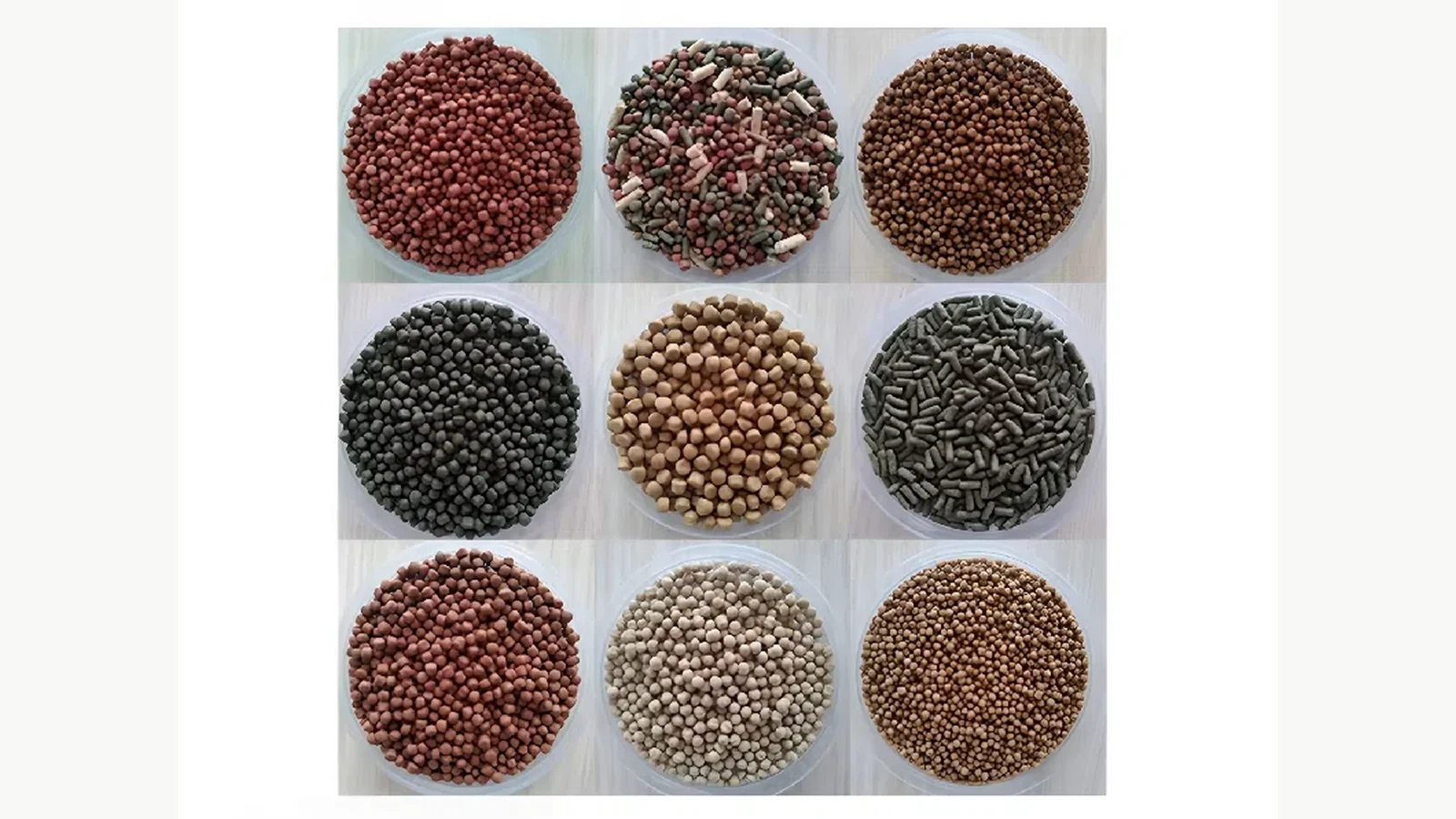
Start with the species and feeding stage, intended floating or sinking behavior, pellet diameter and length, formula status, and the target condition after cooling. Mark any values that remain provisional. A sample from another formula can illustrate shape, but it should not be treated as performance proof for the new project.
Record the pellet condition at the extruder discharge and after cutting. Note visible surface condition, deformation, fragments, sticking, and whether the flow is stable. If the project has several pellet sizes, list each size as a separate trial row. One dryer setting may not be suitable evidence for the whole range.
Buyers still comparing the complete process can use the fish feed production line as the product-route reference. The final machine list and configuration should follow the actual formula, output, pellet program, utilities, and site constraints.
Define four handoff points
A clear specification identifies evidence at four points:
- Extruder to cutter: product condition, shape formation, and stable operating window.
- Cutter to dryer: transfer method, feed distribution, fines, and incoming pellet condition.
- Dryer to cooler: discharge condition, sampling position, and how hot product is transferred.
- Cooler to packing or coating: product temperature, handling condition, optional oil stage, and packing readiness.
These boundaries prevent gaps between equipment quotations. They also make it easier to see whether conveyors, elevators, bins, or controls are included. The earlier feed raw material preparation guide covers the upstream evidence needed to keep the trial formula and mixing record traceable.
Build a drying trial record
For each stable trial period, capture the formula revision, raw-material lots, die and cutter identification, pellet dimensions, feed rate basis, dryer control settings, residence-time basis, and sample time. When a setting changes, issue a new sample code. This keeps later water tests and measurements tied to the correct condition.
At minimum, collect labeled samples at dryer inlet, dryer discharge, after cooling, and after any optional coating step. Record the measurement method alongside the value. If the buyer uses a moisture meter, laboratory method, bulk-density check, or other procedure, name it and keep the method consistent when comparing samples.
Useful observations include:
- visible cracks, fines, deformation, or color change;
- whether pellets remain separated during transfer;
- discharge and cooled-product temperature measurement method;
- moisture result with method and sampling location;
- bulk handling and packing behavior;
- floating, sinking, or water-stability observations under a defined test.
A trial sheet should record what happened rather than simply mark “pass.” That gives the supplier and buyer a common basis for changing the formula, extrusion settings, dryer loading, or downstream handling.
Use a defined water-test plan
A water test needs a written procedure. Define the water source, temperature, container, sample mass or pellet count, observation times, and the behavior to record. Photograph the labeled sample before immersion and at agreed checkpoints. If the project requires floating duration, sinking rate, or water stability, state the buyer's test method and acceptance range; avoid borrowing a result from another pellet or formula.
The test should compare samples produced under documented conditions. It can help identify which trial requires further work, but it cannot by itself establish nutrition, digestibility, shelf life, or field performance. Those outcomes depend on additional formulation, laboratory, storage, and feeding evidence under the buyer's responsibility.
Review cooling before packing
Cooling is more than a short conveyor between the dryer and bagging area. The team should define how hot pellets are moved, how product is distributed, where cooled samples are taken, and what condition the packer is expected to receive. If oil spraying or coating is included, specify whether it occurs before or after the selected cooling stage and how that affects sampling.
The complete pet food and fish feed factory planning guide can help connect this section to storage, traffic, utilities, dust control, and packing. Actual safety and hygiene requirements must be confirmed for the destination and final product.
Compare quotations on the same evidence
Ask each supplier to respond to the same pellet matrix and handoff sheet. Compare included conveyors, dryer and cooler scope, controls, heat-source assumptions, access and cleaning provisions, sampling points, installation boundaries, and trial deliverables. A lower equipment price may represent a different boundary, so the scope should be normalized before commercial comparison.
Keep rated line output separate from confirmed output for a particular formula and pellet. The feed extruder capacity guide explains why product mix, runtime, and downstream stages matter when converting a demand plan into a line-size discussion.
Information to send for review
Prepare the following:
- species and feeding stage;
- formula status and ingredient form;
- pellet diameter, length, and shape program;
- floating or sinking target with test method;
- target output and operating schedule;
- dryer inlet observations and desired cooled condition;
- optional oil or coating scope;
- packing format, utilities, site layout, access, and destination.
Related planning guides
- Fish feed plant cost factors
- Feed pellet mold changeover checklist
- Dry pet food oil coating interface checklist
Request a line review
Send Zhuoheng your pellet program, formula status, sample photos, output plan, drying and cooling acceptance method, optional coating scope, utilities, layout, and destination through the feed project quotation page. The team can then review the fish-feed line and representative trial around your actual handoff requirements.