A formula changeover is more than the moment when a new ingredient batch enters the mixer. Material can remain in hoppers, conveyors, mixer discharge points, feeder pockets, the extruder, cutter housing, dryer transfer points, coating equipment, cooler, and packing feed system. A useful equipment review therefore maps the full route and defines what evidence will be collected during a witnessed transition.
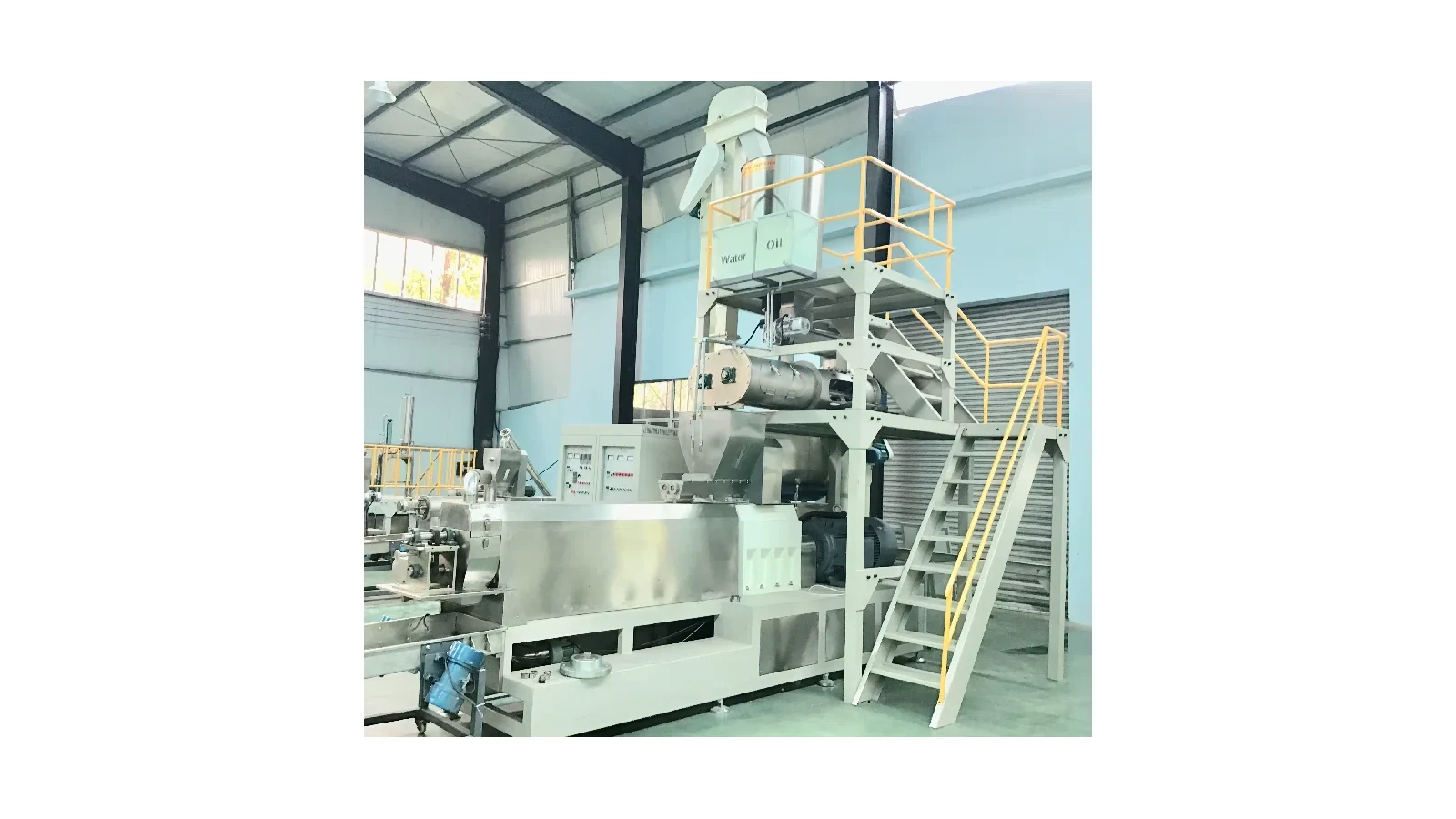
The confirmed dry dog and cat food route can include raw-material preparation, mixing, conveying, extrusion, cutting, drying, flavoring or oil coating, cooling, and packing. The pet food production line gives the equipment context. Exact cleaning methods, access steps, purge quantities, and acceptance criteria depend on the selected configuration, ingredients, buyer policy, and applicable requirements.
Define the Transition Before Reviewing Equipment
Prepare two controlled formula identities: the product leaving the line and the product entering it. Record ingredient forms, added liquids or coatings, target pellet size and shape, expected color differences, and any ingredient or labeling boundary that matters to the buyer. Keep commercial formula details protected while still giving the supplier enough information to review material behavior.
State the reason for the changeover. A routine flavor change, a size change, a formula family change, and a buyer-defined segregation event may need different evidence. Regulatory, hygiene, and allergen decisions remain with the buyer's qualified team and relevant local rules. The equipment trial can document physical access and observed residues without turning those observations into a universal safety claim.
The extruded pet food factory planning guide helps place the changeover within the broader material and personnel flow.
Map Residue Checkpoints Across the Route
Create a numbered line drawing and give every checkpoint a stable name. Start at ingredient receiving or pre-weighing if those stages are included. Continue through the mixer, discharge, conveyors, surge bins, feeder, extruder inlet, barrel and screw area, die, cutter, transfer conveyor, dryer inlet and outlet, coating drum or spray section, cooler, and packing feed point.
For each location, record the normal access method, the party authorized to open it, the tools needed, visibility, drainage or collection provision where relevant, and the expected reassembly check. Safety isolation and access procedures follow the equipment manual, supplier guidance, and the buyer's site system.
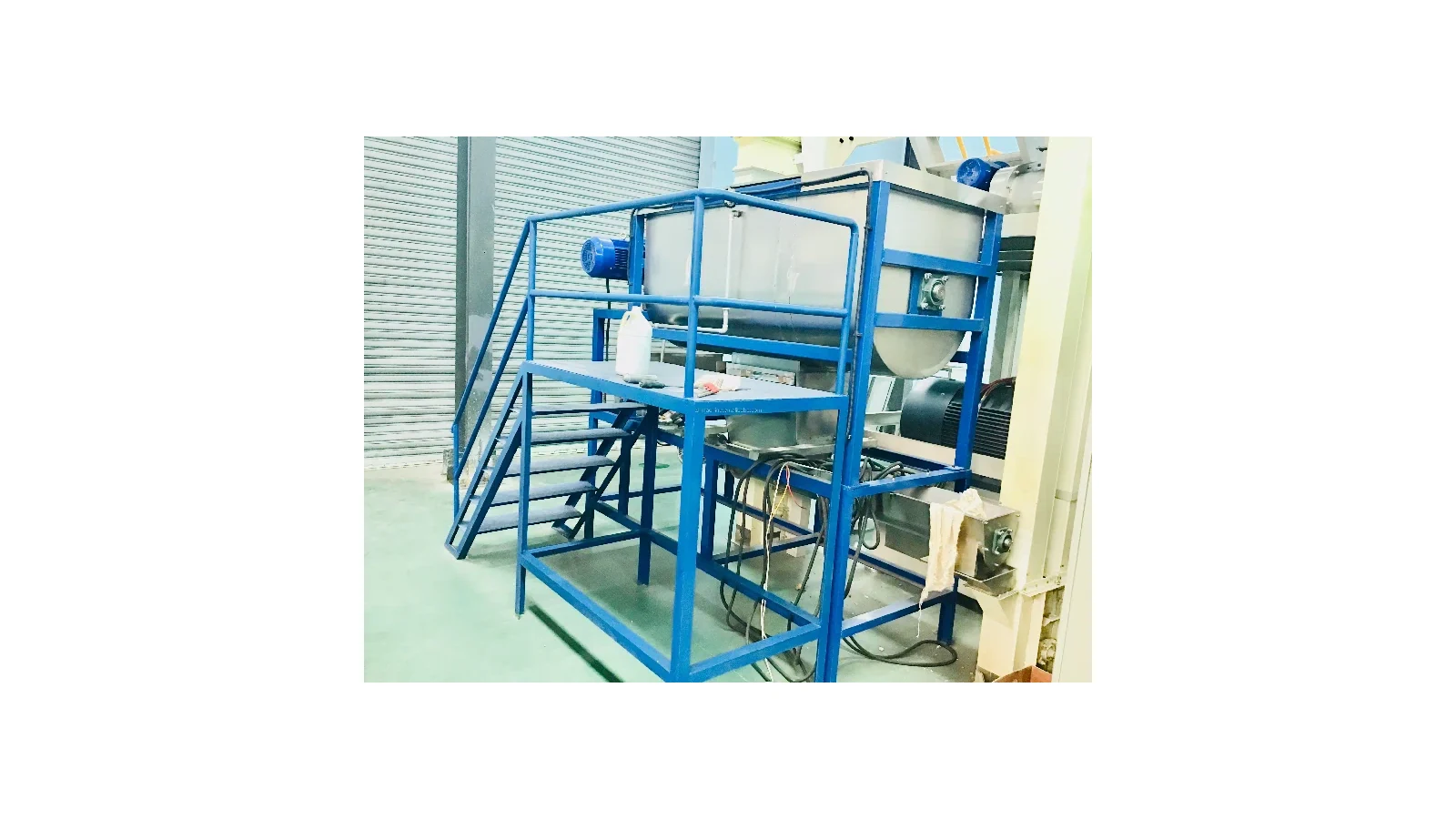
Photographs can make the map auditable. Use the same camera angle before and after the agreed procedure, include the checkpoint number, and keep the file with the trial record. A photo supports an observation; it cannot establish conditions in an unseen area.
Agree on a Witnessed Trial Sequence
Write the sequence before the line is started. A practical record separates the final stable period of Product A, the planned stop or transition, any supplier-approved removal or purge steps, the startup of Product B, and the point at which the buyer considers the new run representative. Record clock time, batch identity, operator action, equipment state, and samples taken at each phase.
The supplier needs to identify which sections can be inspected between runs and which require a longer maintenance stop. The buyer then decides whether the proposed access and time fit the production plan. Any purge material, disposal route, or rework decision also needs an owner and a written basis rather than an assumed practice.
Keep process settings with the batch record because observed carryover can be influenced by the product and operating state. Settings and quantities from one trial stay tied to that trial; they are not universal values for every formula.
Build a Sample and Observation Record
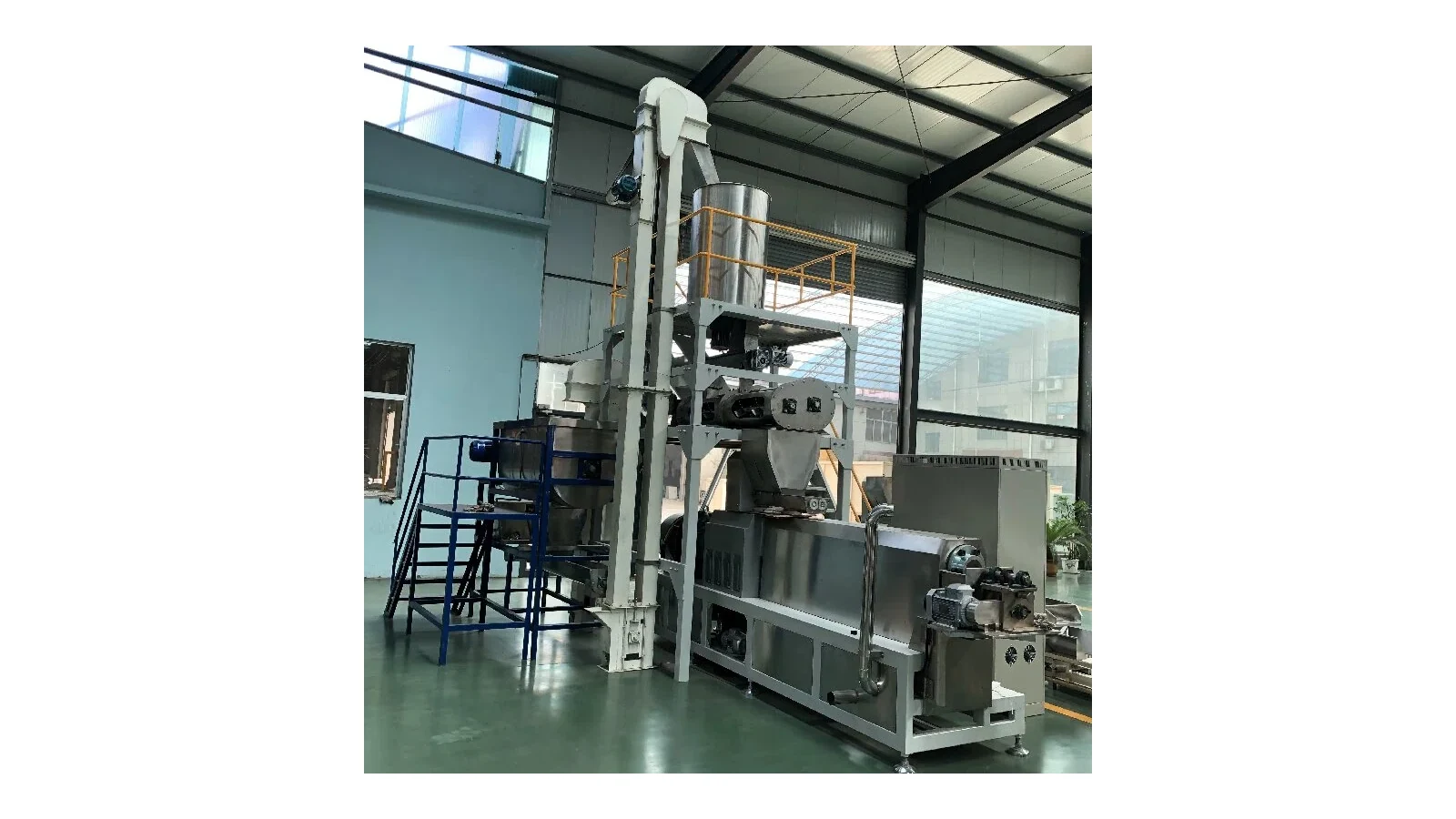
Choose sampling locations that match the checkpoint map. Samples may be taken after extrusion, after drying, after coating, after cooling, and at packing when those stages are in scope. Label each sample with time, product identity, location, and trial phase. Retain the sample under the buyer's normal control procedure.
The observation sheet can track visible color or shape carryover, abnormal fines, product collected from accessible areas, odor observations when the buyer permits them, and the number or duration of transition batches. Laboratory or analytical testing, where required, needs a separate approved method and competent party. The line trial itself should not substitute for that program.
Compare the first stable Product B samples with the approved Product B reference. Also retain the final Product A sample so reviewers can see the intended contrast. This simple pairing makes photographs and notes easier to interpret.
Measure the Operational Burden
A buyer needs more than a pass or fail statement. Record total stopped time, hands-on labor, tools, replacement seals or consumables, collected material, reassembly checks, and restart observations. These values belong to the tested configuration and crew, but they reveal where the proposed line may create recurring work.
Ask the supplier to distinguish routine operator access from maintenance access. Include platform positions, removable covers, lifting needs, and surrounding clearance on the layout drawing. If the line will handle frequent changes, the physical access review can influence the final equipment arrangement before fabrication.
Define Acceptance and Open Items
The trial protocol should name the buyer witness, supplier witness, products, checkpoints, photo set, samples, allowed observations, and the method for closing open items. A result may be accepted, accepted with a documented adjustment, or held for additional evidence. Keep the decision attached to the exact formula status and machine configuration tested.
Use an RFQ table to prevent hidden assumptions:
| Changeover field | Buyer input | Supplier response |
|---|---|---|
| Product transition | Product A and B status, pellet targets, liquids or coatings | Material-behavior questions and trial limits |
| Route | Included process stages and packing boundary | Numbered equipment and checkpoint map |
| Access | Site safety system and inspection expectations | Covers, platforms, tools, clearance, authorized procedure |
| Sequence | Production order and witness window | Proposed stop, removal, purge, restart, and sampling plan |
| Evidence | Photos, samples, observations, analytical needs | Available trial records and unresolved items |
| Acceptance | Buyer policy and approval owner | Supplier witness and closeout responsibility |
Related Planning Guides
- Define the upstream condition with the feed raw-material preparation guide.
- Review the downstream liquid stage with the dry pet food oil-coating interface checklist.
- Separate product transition from hardware changes with the feed pellet mold-changeover checklist.
Prepare the Changeover Review
Send the old and new formula status, ingredient forms, pellet targets, planned run sequence, cleaning policy, required checkpoints, utilities and destination for a changeover-trial review.