Bulk-density data can help a buyer compare how a representative kibble occupies containers and moves into downstream handling and packaging decisions. A number without a method is weak evidence. Container size, filling action, leveling, vibration, pellet condition, sample location, and sampling time can all change the result.
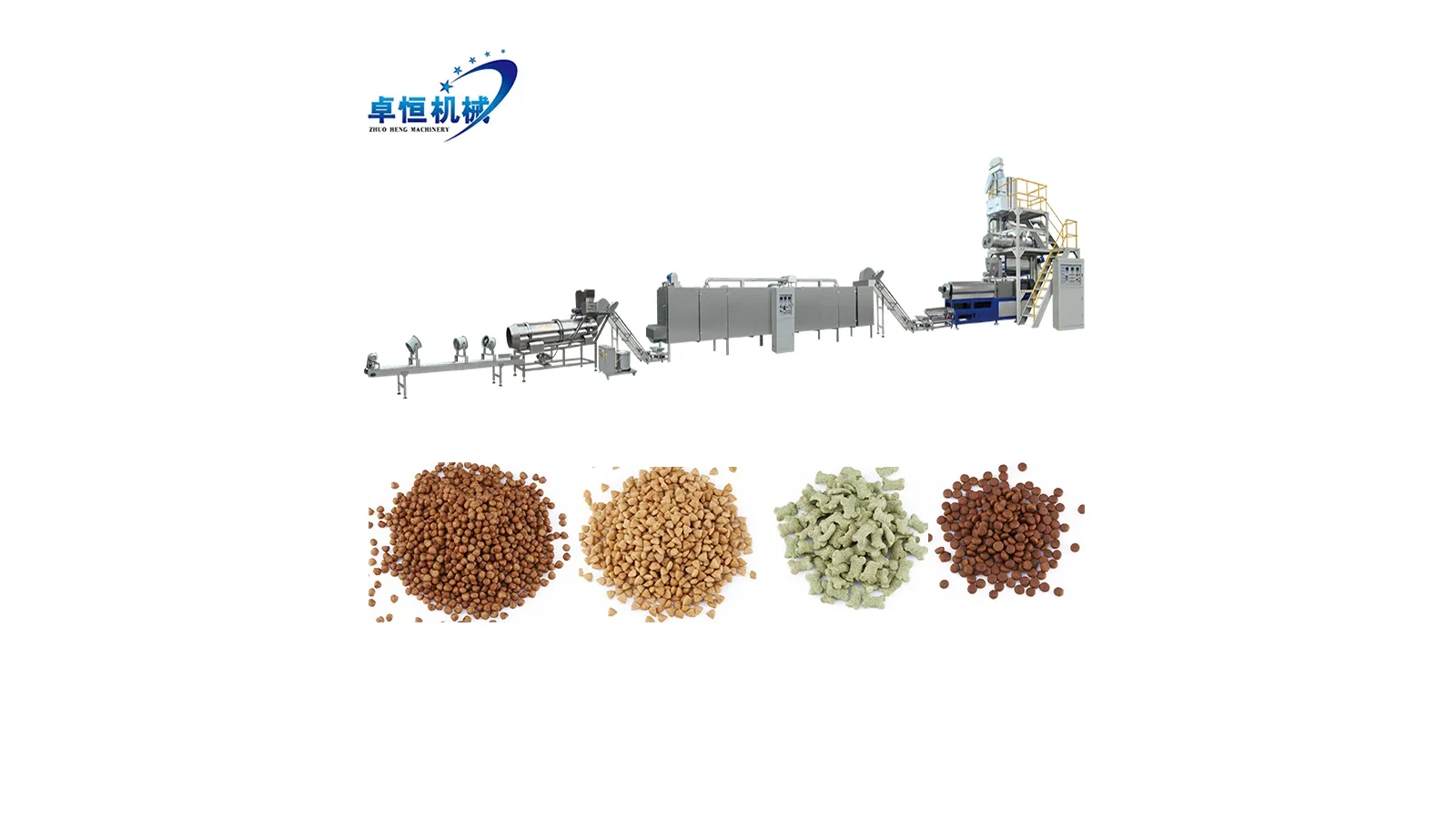
The confirmed dry dog and cat food route can include raw preparation, mixing, conveying, extrusion, cutting, drying, flavoring or oil coating, cooling, and packing. A sampling plan follows the selected downstream stages and keeps every value tied to its location and product state. The pet food production line provides the equipment context. Exact results remain specific to the formula, pellet, settings, route, environment, and agreed method.
Start with the Decision the Data Must Support
State why the measurement is being collected. A buyer may need an input for bag-volume trials, buffer or container planning, downstream flow comparison, or a witnessed product trial. Keep these purposes separate. Bulk density alone cannot prove nutritional content, final pack performance, shelf life, line output, or product quality.
Record the product identity before sampling: formula revision or protected project code, pellet shape, nominal dimensions, color, coating status, and batch. Add the target retail pack when packaging is part of the decision. The extruded pet food factory planning guide helps place this evidence within the full material route.
Approve One Sampling Method
Choose a clean, identified container with a verified volume. Record the empty container mass and the scale identification. Define how product enters the container, whether the container is tapped or vibrated, how the top surface is leveled, how overflow is handled, and how many replicate measurements are required.
Keep the action consistent across samples. Scooping, pouring, dropping from height, or shaking can pack pellets differently. If the project needs both loose-filled and settled observations, treat them as two named methods and never combine the values.
For each replicate, record the container volume, empty mass, filled mass, calculated product mass, method code, operator, time, and sample identity. Use one unit system throughout the comparison. Any calculation sheet needs a revision date and reviewer.
Select Locations from Dryer Outlet to Packing
Create a line map and assign codes only to accessible, approved sampling points. Depending on the chosen route, useful locations may include dryer outlet, coating inlet, coating outlet, cooler outlet, buffer discharge, and packer feed. The supplier confirms access and safe collection method for the selected configuration.
Sampling at multiple points can reveal a difference worth investigating, but the number itself does not identify a cause. Pellet breakage, surface addition, cooling state, handling, segregation, or inconsistent sampling may influence an observation. Record facts first and place root-cause questions in an open-item list.
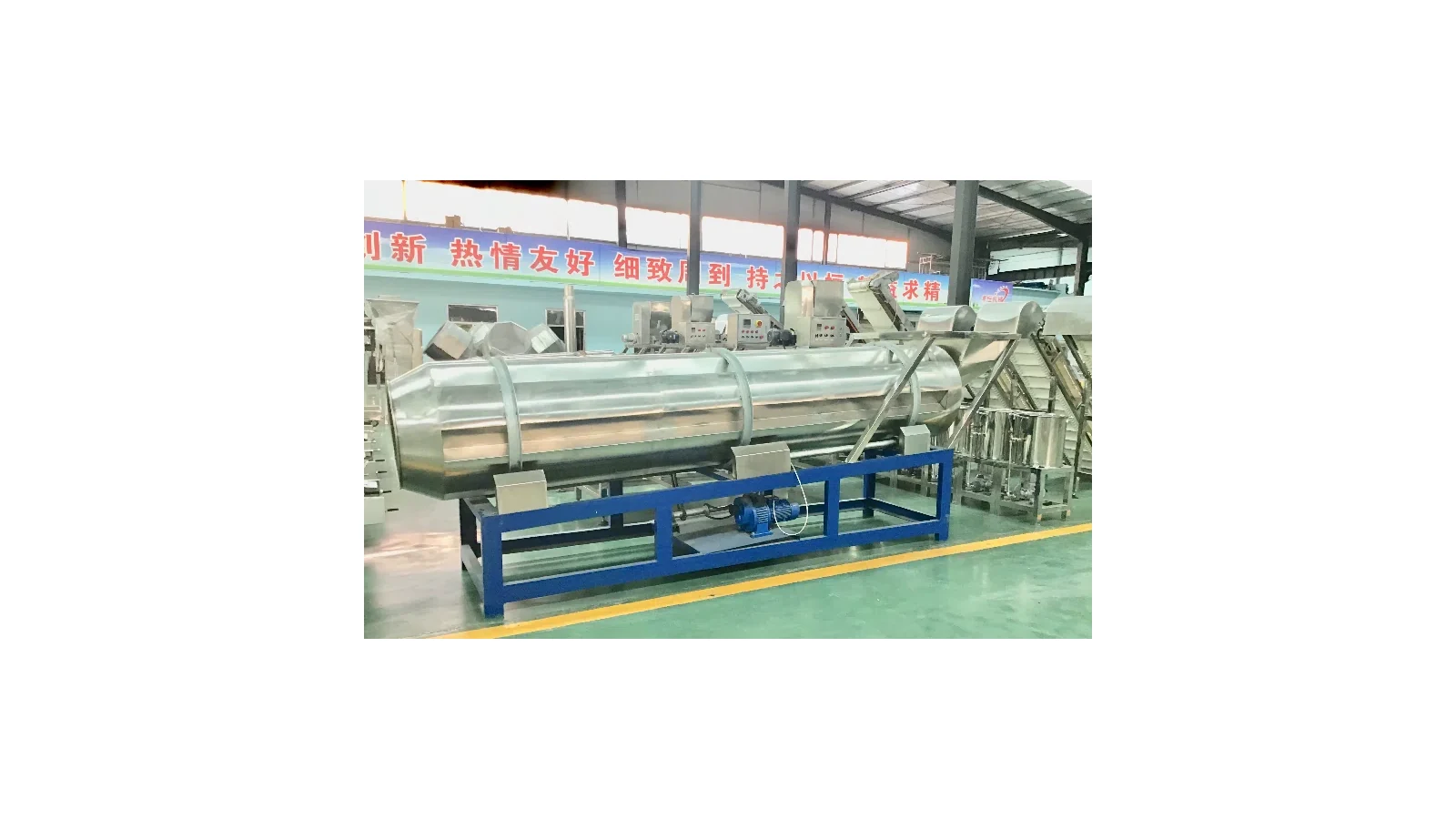
The existing dry pet food oil-coating interface checklist provides the coating inputs and boundary information that belong beside a before-and-after comparison.
Add Time and Product Condition to Every Sample
Take samples during named trial phases rather than whenever a container happens to be available. A useful sequence may include startup observation, an agreed stable period, a planned adjustment, and the end of the run. Record equipment state and the elapsed time or batch reference for each sample.
Add observed product condition. Record whether the sample is warm or cooled according to the project method, visibly coated or uncoated, intact or mixed with fines, and taken before or after a transfer. If moisture, temperature, or another laboratory value matters, use an approved instrument and competent method. The bulk-density sheet can reference that test without claiming to replace it.
The existing kibble formula changeover trial guide is relevant when samples come from a transition. It helps prevent Product A, transition material, and Product B from being mixed under one identity.
Control Samples and Containers
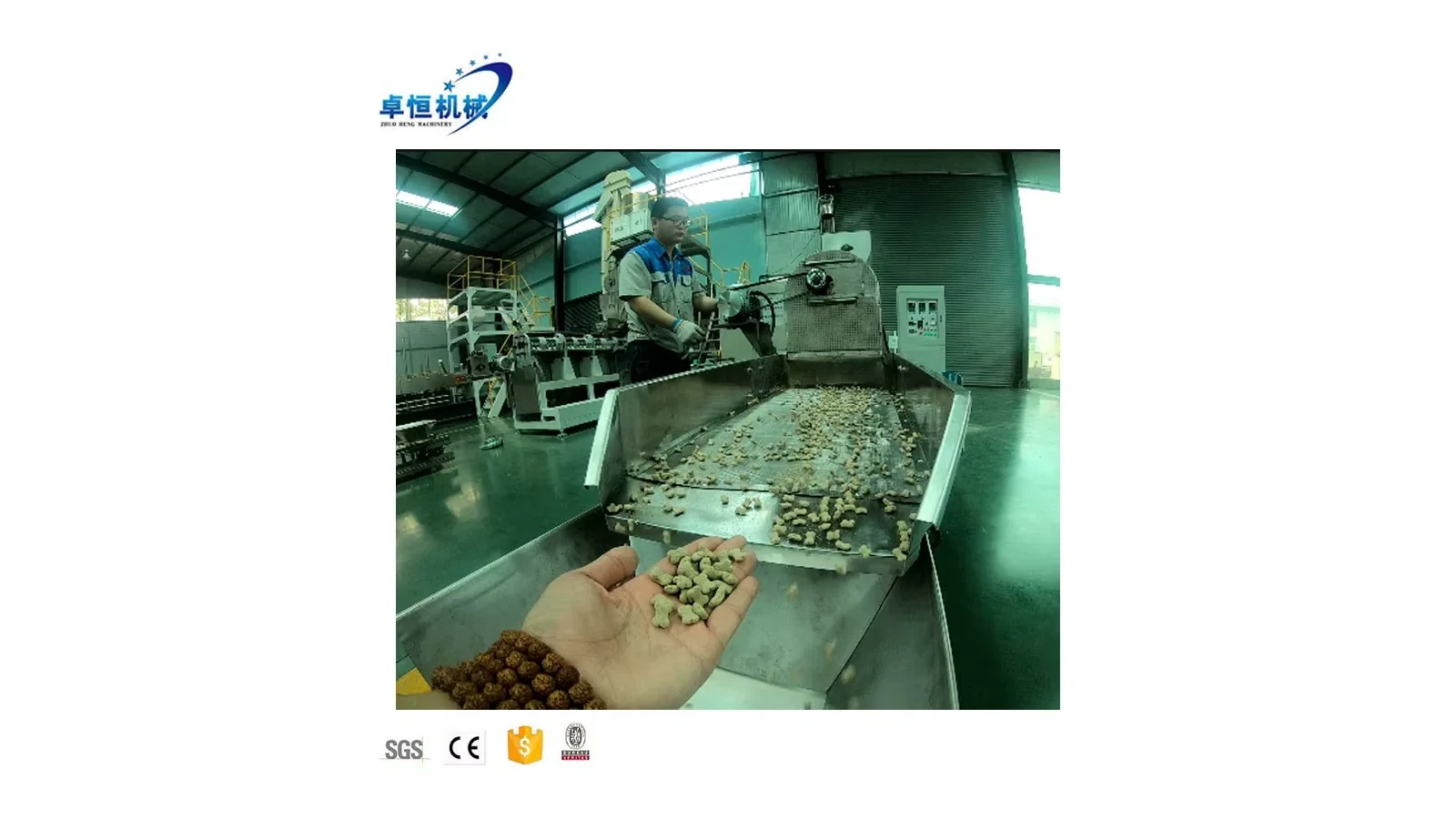
Label retained samples with site, product code, batch, location, time, method, and operator. Use containers that protect the sample for the intended review and follow the buyer's handling policy. A retained sample is valuable only when reviewers can match it to the recorded value.
Photograph the filled measurement container from a consistent angle before leveling and after the final reading when that supports the review. Include the sample code in the image. Photographs show visible condition; they cannot verify the hidden packing structure or replace scale and volume records.
Connect the Result to Packaging Without Overclaiming
A packaging team can combine representative bulk-density evidence with target net weight, bag geometry, product dimensions, allowable headspace, film behavior, and packing trials. The arithmetic estimate is a starting point, not a final bag approval. Actual filling, settling, product protection, sealing, transport, and local requirements need their own evidence.
Compare replicate variation before comparing locations. A large spread within one location may indicate that the method or sample is not controlled enough for a decision. Keep the original readings visible instead of reporting only an average.
Use a Buyer Review Table
| Record field | Required evidence | Decision protected |
|---|---|---|
| Product identity | Formula code, pellet dimensions, coating status | Values stay product-specific |
| Method | Container, volume, fill action, leveling, settlement | Results are comparable |
| Location | Line code and stage condition | Downstream changes are not mixed |
| Time | Trial phase, batch, equipment state | Startup and stable samples remain separate |
| Replicates | Original readings and calculated values | Variation remains visible |
| Related tests | Referenced approved methods | Density is not used as a substitute |
| Packaging use | Target pack and trial status | Estimate is not treated as approval |
Before quotation or trial closeout, agree which values are descriptive, which require confirmation, and which will become acceptance inputs. One witnessed run cannot guarantee a universal density range for every formula or operating condition.
Related Planning Guides
- Define coating inputs with the dry pet food oil-coating interface checklist.
- Keep transition samples separate with the kibble formula changeover trial guide.
- Record upstream material status with the feed raw-material preparation guide.
Prepare the Sampling-Plan Review
Send the kibble sample, formula status, pellet dimensions, downstream route, pack targets, sampling purpose, utilities and destination for a sampling-plan review.