A training handover matrix defines who needs to understand each part of an extruded feed line, what evidence will be used, which supervised activities are planned, and which questions remain open. It prevents a broad promise such as “operator training included” from hiding differences between production, maintenance, quality, electrical, and supervisory roles.
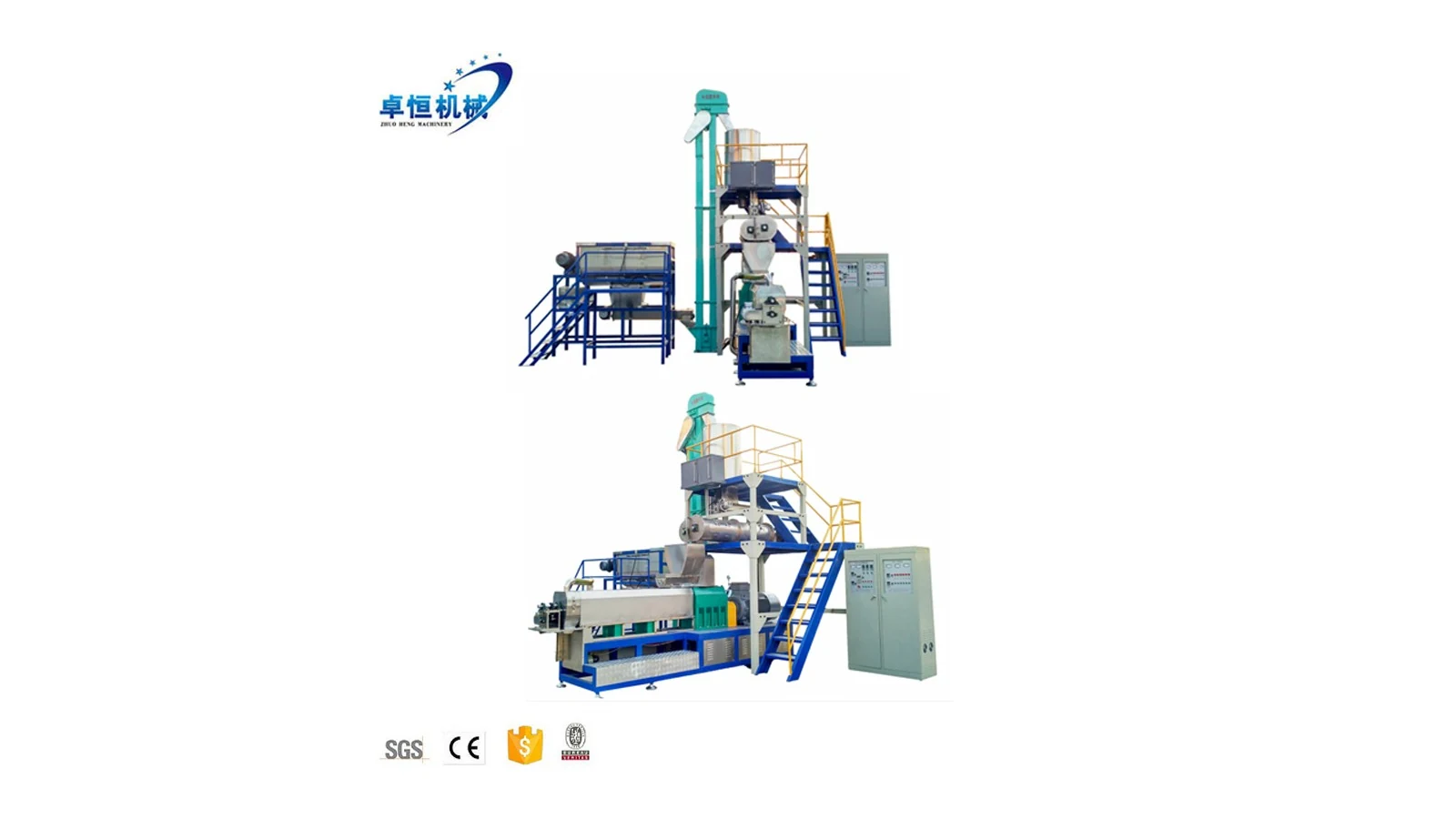
A confirmed dry pet food route can include raw preparation, mixing, conveying, extrusion, cutting, drying, coating, cooling, and packing. Fish-feed projects may use a related route with product-specific decisions. The pet food production line provides equipment context. The final training scope must match the actual product route, selected machines, language, site procedures, and contractual supply boundary.

Start with Roles and Decisions
List trainee roles before listing topics. Useful groups may include line supervisor, ingredient-preparation operator, extruder operator, dryer or cooler operator, coating operator when included, packing operator, maintenance technician, electrical technician, quality reviewer, and shift lead. One person may cover several roles, but each responsibility remains visible.
For every role, state the decisions expected after handover. Examples include confirming the correct product and batch, recognizing the approved machine identity, following the site release process, recording an observation, escalating an alarm, and closing a controlled checklist. Local authorization and competency rules remain the buyer's responsibility.
The extruded feed factory planning guide helps map the production route and staffing interfaces. The training matrix then assigns learning evidence to the actual team.
Bind Training to the Approved Configuration
Record the quotation or technical agreement revision, equipment schedule, process flow, electrical documentation, manuals available, product list, formula status, and trial plan used for the handover. Training on a generic diagram cannot close a machine-specific module.
Create one row for each main machine and significant interface. Include the equipment tag, approved name, operating role, maintenance role, upstream and downstream connection, document reference, and any excluded function. Optional coating, laboratory, packing, or utility equipment appears only when it belongs to the signed scope.
The feed line pre-shipment document pack helps reconcile equipment identity and available documents before the training plan is finalized.
Divide the Handover into Modules
Organize modules around observable work rather than long presentations. A module can cover equipment identity, product and batch selection, approved pre-use check, startup sequence reference, normal observation points, sample identity, controlled adjustment record, shutdown reference, cleaning or changeover boundary, routine inspection record, alarm escalation, and open-item reporting.
Safety-critical access, electrical work, guarding, isolation, lifting, hot surfaces, pressure, and maintenance follow the manufacturer documentation and the buyer's qualified procedures. A commercial matrix records responsibility and evidence; it cannot qualify a person or replace site safety controls.
Define Evidence for Every Module
Choose evidence that can be reviewed later: a signed attendance row, document revision, equipment walkdown code, trainer demonstration, trainee explanation, supervised task record, sample label, completed checklist, open-question log, and reviewer decision. Attendance alone proves presence, not understanding or authorization.
Use status labels such as planned, demonstrated, practiced under supervision, evidence received, further review required, or closed. Name the reviewer for each status. Keep electronic files, photographs, forms, and translations under the same module code.
If a document is unavailable or language support is incomplete, record the gap. A future manual, drawing, or translated label remains an open deliverable rather than being counted as completed training.
Link Product Knowledge to Process Roles
Feed projects change with animal, formula, pellet form, floating or sinking direction, size, coating requirement, and packing plan. Protected formula details can stay in controlled production records while the handover matrix references the approved product code and revision.
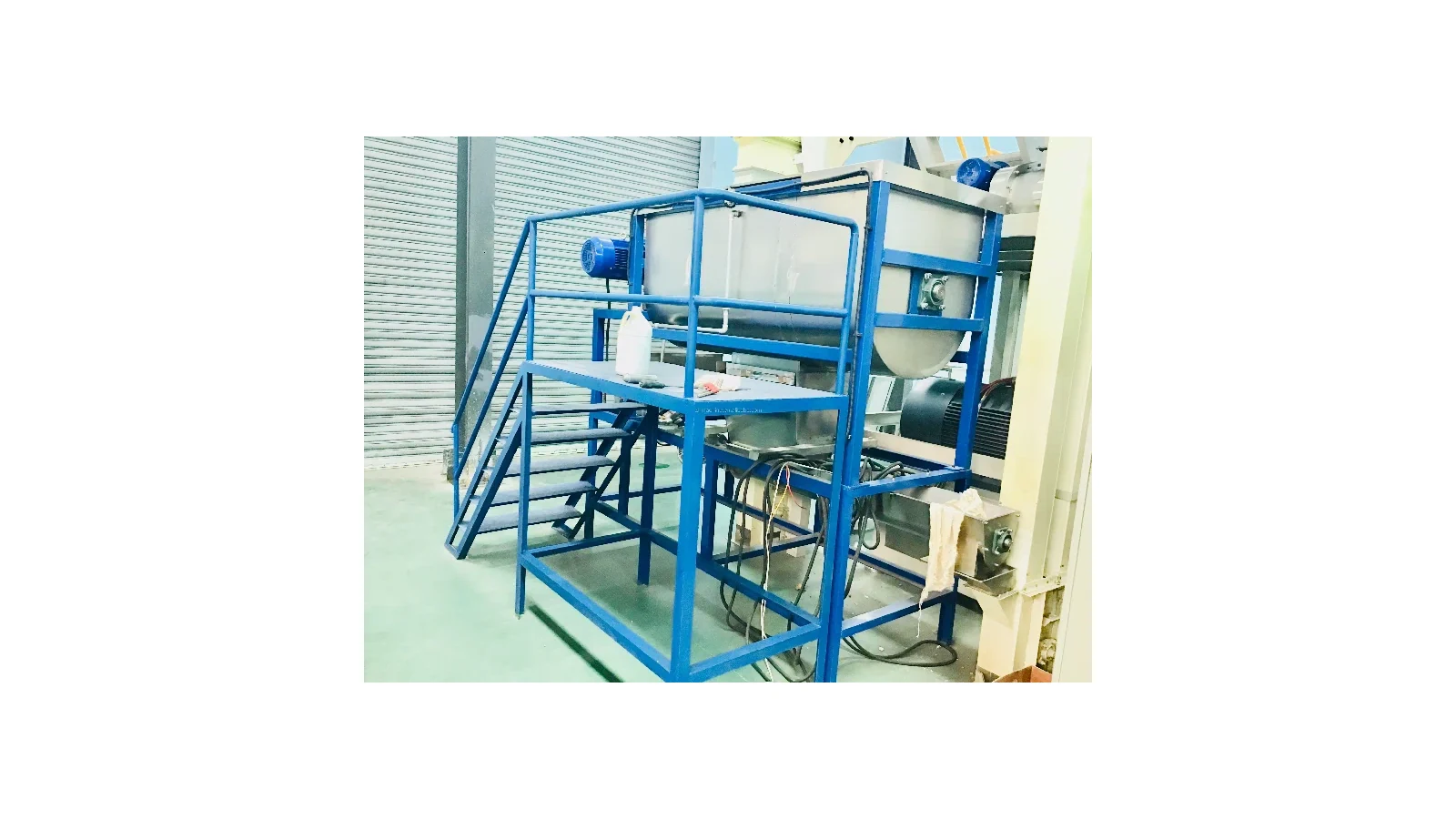
Upstream operators need clear material and batch identity. The feed raw-material preparation guide supports crushing, mixing, formula handoff, and status boundaries. Downstream roles need their own sampling, drying, coating, cooling, and packing references.
Plan Supervised Practice Without Creating Guarantees
For each supervised activity, record the product code, formula status, equipment state, start and stop boundary, trainer, trainee, evidence collected, and outcome. A practice run demonstrates that named event under stated conditions; it cannot guarantee future output, product quality, energy use, or operator performance.
Separate routine practice from changeover or abnormal-event discussion. The feed pellet mold-changeover checklist can provide a distinct record for change parts, cleaning boundary, first sample, and release status.
When an unexpected condition occurs, record the observed state, time, equipment tag, product identity, action owner, and linked service question. Avoid teaching unverified workarounds as standard procedure.
Keep an Open-Question Register
Give every unresolved question an owner, evidence request, target review date, status, and closeout reference. Separate document questions, machine-identity questions, product questions, site-utility questions, language questions, and service questions. This makes it possible to finish completed modules while keeping true gaps visible.
The sign-off should state its scope. A participant may acknowledge attendance, a trainer may confirm a demonstration, and an authorized buyer representative may release a role according to site rules. These are different decisions and need separate fields.
| Matrix field | Required entry | Review purpose |
|---|---|---|
| Role | Person, job function, language | Defines expected decisions |
| Equipment | Tag, machine, interface | Binds content to configuration |
| Module | Topic, document, activity | Prevents vague training scope |
| Evidence | Demonstration, record, sample, checklist | Preserves what occurred |
| Status | Planned, practiced, open, closed | Shows current handover state |
| Open question | Owner, needed evidence, date | Protects unresolved items |
| Sign-off | Participant, trainer, buyer reviewer | Separates acknowledgements |
Related Planning Guides
- Reconcile equipment and documents with the feed line pre-shipment document pack.
- Define upstream roles with the feed raw-material preparation guide.
- Give change parts a separate feed pellet mold-changeover checklist.
Prepare the Training-Scope Review
Send the selected route, equipment schedule, product list, trainee roles, language needs, operating documents, trial plan, utilities and destination for a training-scope review.