A pre-shipment review should prove that the documented equipment, accessories, identity plates, and packing units correspond to the approved project revision. A group of attractive factory photos is not enough. Buyers need a controlled register that connects every image and packing item to the quotation, technical agreement, and delivery scope.
The confirmed dry pet food route can include raw preparation, mixing, conveying, extrusion, cutting, drying, coating, cooling, and packing. Fish-feed routes can include preparation, mixing, conveying, extrusion, cutting, drying, cooling, packing, and optional oil spraying when specified. The pet food production line provides product context; the final pack must follow the selected route and approved configuration.
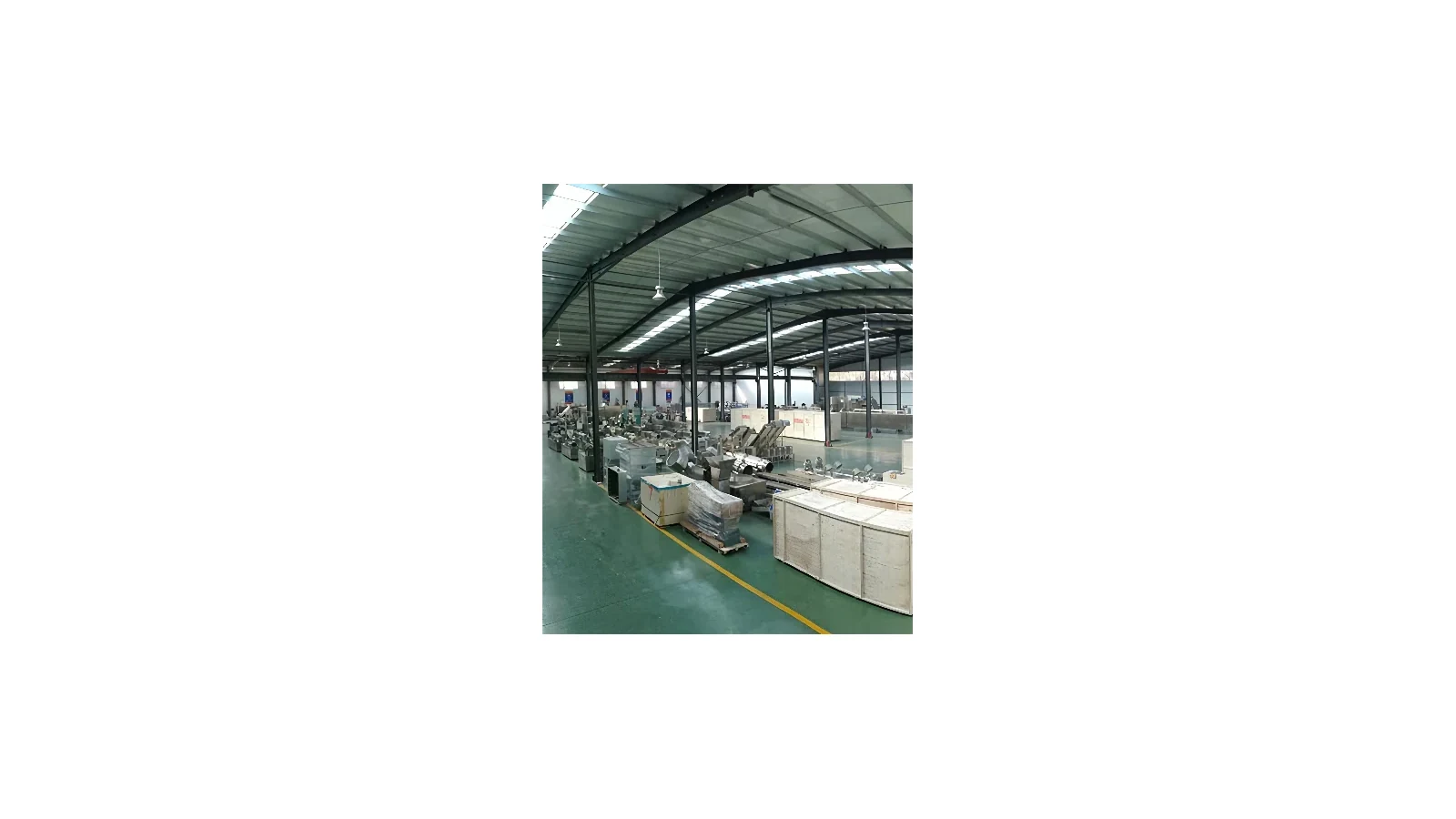
Freeze the Approved Reference Set
List the quotation revision, technical agreement, process flow, equipment schedule, layout drawing, electrical requirement, accessory list, destination, and delivery terms used for the review. Give each file a revision and approval status. If two documents conflict, place the conflict in the open-item register.
The extruded feed factory planning guide helps define the intended route. The pre-shipment pack serves a later decision: whether the documented shipment matches the approved supply boundary.
Mark options, buyer-supplied items, and future equipment separately. This prevents an optional coating system, laboratory item, or packaging function from being mistaken for included supply.
Build an Equipment Register
Assign one shipment code to every main machine and significant auxiliary item. Record the approved equipment name, internal tag, model when verified, quantity, drawing or schedule reference, and packing-unit number. Add one full view and one identity view for each item.
Keep the name consistent across the register, packing list, crate mark, and layout. A marketing name can remain in the brochure, while the shipment register uses the controlled project identity.

Capture Nameplates and Connection Identity
Photograph every available machine nameplate straight on, at readable resolution, with the equipment tag in the same evidence group. Record model, serial or production reference, rated values shown on the plate, and manufacturer identity exactly as displayed.
For motors, drives, heaters, sensors, and panels that require buyer review, connect the component image to its machine tag. Voltage, phase, frequency, power, control, and enclosure details remain model- and configuration-specific. The approved electrical schedule and actual labels need to agree before release.
Photographs support the comparison but never replace signed drawings, manuals, or regulatory review where those are required.
Add a document-status column for each unit. Mark the available manual, electrical diagram, foundation or placement drawing, parts list, and maintenance record by revision. A filename alone is weak evidence; the register should identify the equipment tag and language where relevant. Files promised after shipment stay visible as open deliverables rather than being counted as complete.
Control Accessories, Loose Parts, and Change Items
Create accessory rows for dies or molds, cutter parts, tools, fasteners, hoses, cables, sensors, spare items, guards, and documentation supplied loose when they are in scope. Record quantity, item code, associated machine, container, and packing position.
Use photographs with labels visible. Small items can be grouped in a tray or bag, but every group needs a count and identity. Sealed packages can be recorded before closure and again after labeling.
For product-change components, link each item to the approved product or pellet reference. The existing raw-material preparation guide helps define upstream boundaries, while the shipment register stays focused on supplied equipment and accessories.
Map Packing Units to the Equipment Register
Give every crate, pallet, frame, carton, or protected loose unit a packing number. Record external dimensions and weight only when taken from an approved packing record. Add destination mark, handling mark, equipment codes inside, package count, and visible condition before closure.
Photograph the item before protective wrapping, after wrapping, and after final marking when those stages are part of the buyer's agreed evidence. Photos cannot prove hidden fastening, moisture protection, or transport performance; the supplier must identify the approved packing method and evidence basis.
Keep Configuration Evidence Product-Bound

A general line image can help explain the route, but it cannot prove that the buyer's exact equipment is complete. The controlled pack needs project codes, tags, plates, quantities, and packing numbers.
Confirm whether the documented line is for dry pet food, fish feed, or a stated shared configuration. Optional coating or oil-spraying equipment, product-contact parts, and packer interfaces must appear only when included in the approved scope.
Use an Open-Item Register
Record missing images, unreadable plates, quantity differences, drawing conflicts, damaged finishes, pending manuals, unresolved accessories, and packing-list questions. Each row needs an owner, evidence requested, target closeout, and final disposition.
A shipment can have conditional release only when the buyer and supplier agree that status in writing. The article cannot define commercial release authority for a specific contract.
Schedule the review early enough for corrections to be documented before packing is closed. Record the review date, participants, evidence received, unresolved rows, and the next controlled revision. This keeps a late photograph from silently overriding the equipment schedule or packing list.
| Review area | Required record | Closeout evidence |
|---|---|---|
| Approved scope | Quotation, technical agreement, route, revision | Shared reference set |
| Equipment | Tag, name, model, quantity, full view | Register match |
| Identity | Readable plates and component references | Schedule comparison |
| Accessories | Code, count, related machine, container | Counted packing row |
| Packing | Package number, contents, marks, condition | Final packing list |
| Documents | Manual and drawing register | File receipt status |
| Exceptions | Owner, action, date, disposition | Signed closeout |
Related Planning Guides
- Confirm upstream scope with the feed raw-material preparation guide.
- Record downstream options with the dry pet food oil-coating interface checklist.
- Keep transition evidence separate with the kibble formula changeover trial guide.
Prepare the Document-Pack Review
Send the approved product route, equipment list, configuration revision, voltage, accessories, delivery terms, destination and required release evidence for a document-pack review.